
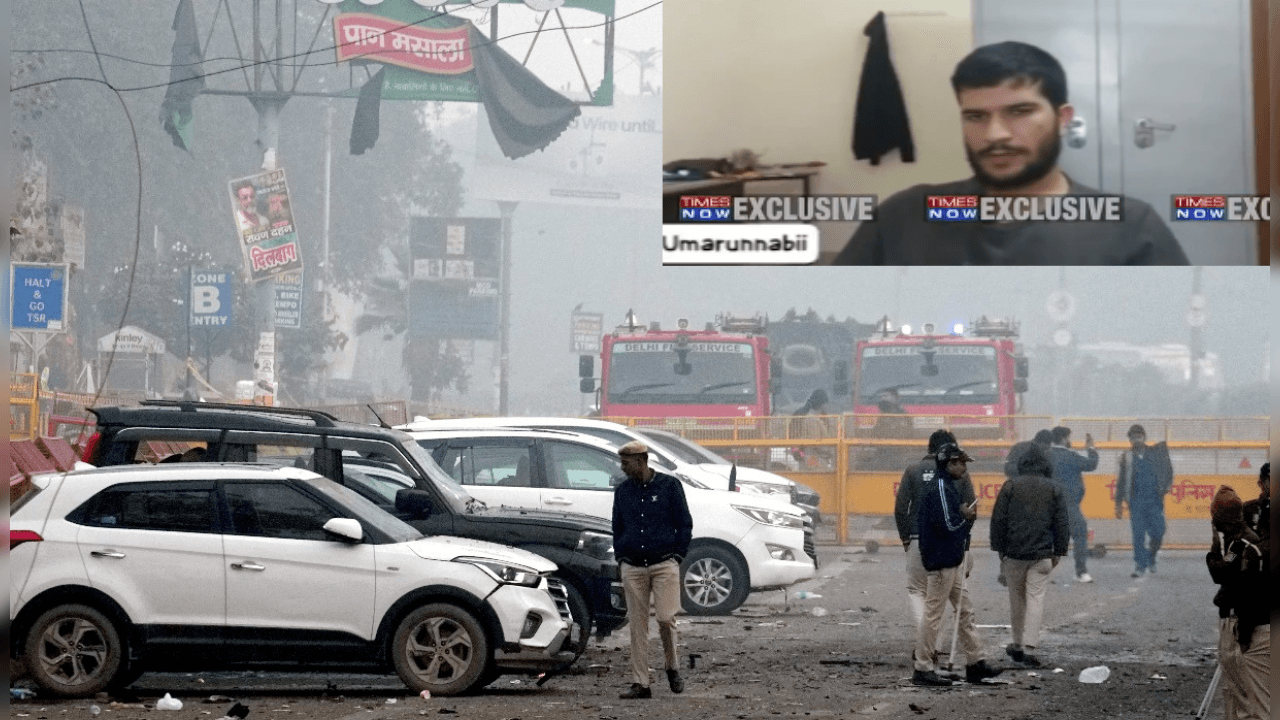
Delhi Blast Mastermind Dr Umar’s Unseen Video on ‘Suicide Bombing’ Accessed by Times Now
Content
Key Insights
The core facts extracted include the identification of Dr Umar Nabi as the primary mastermind behind the Delhi blast, the fatal explosion of a Hyundai i20 near the Red Fort killing 15 people, and the arrest of close aides involved in technical and logistical support for terror operations.
Geographically, the incident is centered in Delhi, with operational links to Kashmir, Haryana, and Uttar Pradesh.
Stakeholders directly involved are Dr Umar, his aides Jasir Bilal Wani and Amir Rashid Ali, security agencies like the NIA, and the victims of the blast; peripheral groups affected include local communities and hospitals treating the injured.
The immediate impact has led to heightened security measures and increased scrutiny of terror networks, particularly those involving medical professionals.
Historically, this event shares similarities with the 2008 Delhi serial blasts, where coordinated attacks targeted public areas, eliciting swift law enforcement response and intelligence crackdowns.
Both incidents highlight the evolving tactics of terror groups and the importance of inter-agency cooperation.
Looking ahead, optimistic scenarios involve technological innovations in surveillance and drone detection to preempt such attacks, whereas risk projections emphasize the need for countermeasures against increasingly sophisticated terror methodologies, including drone modifications.
From a regulatory authority perspective, three actionable recommendations are: first, prioritize strengthening inter-state intelligence sharing to disrupt cross-regional terror networks; second, enhance regulatory oversight on professionals with access to explosives or technical expertise; third, invest in advanced drone surveillance and electronic countermeasures.
These steps vary in complexity but collectively promise significant improvements in national security and terror mitigation.