
EU plans digital ID wallet for phones by 2027
Published: May 7, 2026 at 08:29 PM
News Article
sport
privacy
fundamental-rights
society
online-shopping
Content
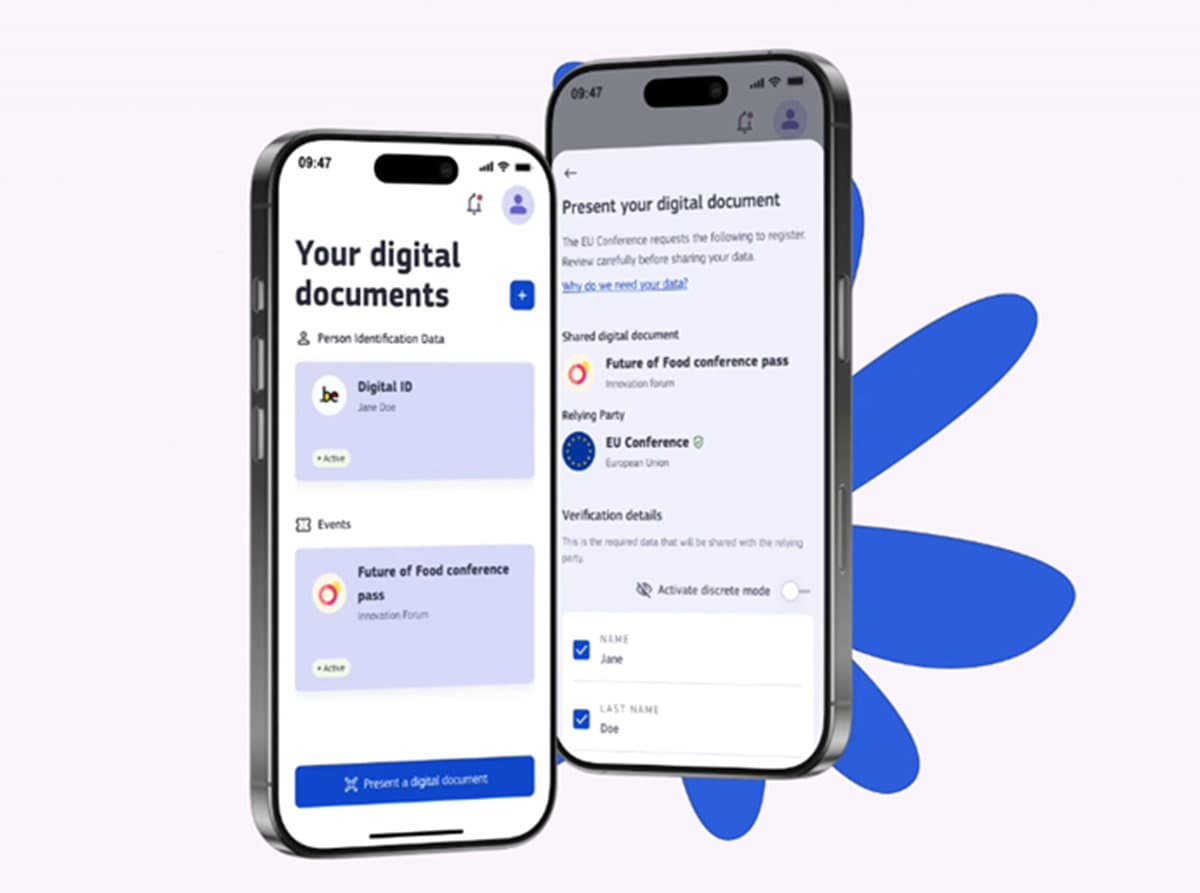
The European Union has outlined plans to enable citizens to carry official documents on their mobile phones through a new digital identity system known as the European Digital Identity Wallet, or EUDI Wallet. Under these proposals, individuals could store verified credentials such as national ID cards and driving licenses directly within an official app recognized across all EU countries starting from 2027.
The system is designed to function similarly to existing digital wallets used for payments but focuses on government-issued verification. Each member state will be required to provide at least one official application compatible with the wider framework. While physical documents will remain an option, the digital version aims to become a widely accepted alternative for everyday administrative procedures.
One of the primary goals is to streamline processes that currently stop at national borders. Citizens may soon use their nationally issued digital identity in other member states without needing to register again for services ranging from banking to university applications. Additionally, the project seeks to give users more control over personal information, allowing them to reveal only specific data points rather than entire documents during transactions.
Implementation is expected to happen progressively, with deployment beginning gradually from 2026 before broader adoption in 2027. Some nations, such as Spain, already utilize similar tools like the MiDGT app for digital driving licenses. Technical standards and security requirements remain areas of ongoing work to ensure compatibility between national systems.
Despite the push for convenience, the centralization of sensitive personal data raises questions regarding privacy and cybersecurity. European institutions maintain that strong privacy safeguards will be in place to protect user information, though public caution remains regarding potential risks like hacking and identity fraud.
Key Insights
The European Union is moving toward a unified digital identity framework that could fundamentally change how citizens interact with public and private services across borders.
This shift prioritizes convenience and data sovereignty, allowing users to manage verification without carrying physical paperwork.
However, successful adoption depends heavily on resolving technical compatibility issues and addressing public trust concerns surrounding data security.
Until implementation details are finalized, the transition period will likely involve significant coordination between member states.