
Families accuse Camp Mystic of ignoring risks in Texas lawsuit over flood deaths
Content
Key Insights
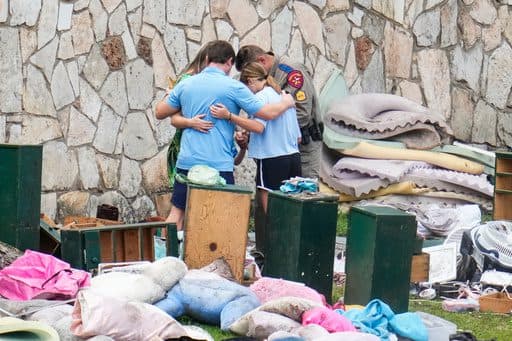
The core facts center on the catastrophic flooding at Camp Mystic, Texas, on July 4, which led to the deaths of 27 individuals, primarily young girls and counselors.
The camp, established in 1926, was located in a flood-prone area along the Guadalupe River that rose dramatically within an hour.
The lawsuit highlights failures by the camp operators to heed flood warnings, enact evacuation plans, and prioritize safety over financial concerns.
Primary stakeholders include the families of the victims, camp owners, and management, while peripheral impacts extend to local communities, regulatory authorities, and future campers.
Immediate consequences include profound grief among families, public outrage, and legal action demanding accountability and safety reforms.
The tragedy disrupted community trust and prompted legislative changes in Texas regarding youth camp safety.
Historically, this event parallels the 1993 Midwest floods, where delayed warnings and inadequate evacuation led to widespread casualties, and the 2017 Louisiana floods, which similarly exposed systemic emergency response shortcomings.
Both prior events emphasized the need for clear communication and proactive planning.
Looking forward, an optimistic path involves leveraging technology for real-time hazard monitoring and enforcing stricter safety regulations that prevent similar tragedies.
Conversely, risks persist if economic pressures overshadow safety investments, and if emergency protocols remain insufficiently enforced.
From a regulatory authority’s standpoint, three key recommendations emerge: first, mandate comprehensive flood risk assessments for camps (high priority, moderate complexity); second, require certified emergency evacuation plans with regular drills (top priority, high impact); third, implement continuous oversight with penalties for non-compliance (moderate priority, moderate complexity).
These measures aim to enhance prevention, ensure preparedness, and foster accountability, ultimately safeguarding vulnerable populations from future disasters.