
Four mine officials held for UP quarry collapse in which 7 labourers were killed
Content
Key Insights
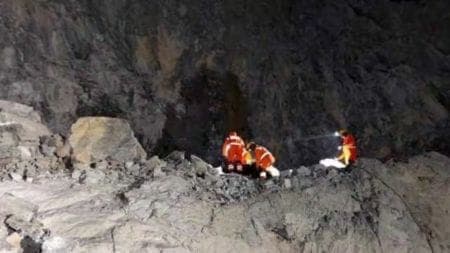
The core facts extracted include the arrest of four mine officials responsible for the November 15 quarry collapse in Sonbhadra district, resulting in seven fatalities.
Key stakeholders directly involved are the accused mine managers, the private mining firm, affected laborers, and regulatory bodies like the DGMS.
Peripheral groups potentially impacted comprise the families of victims, local communities dependent on mining employment, and regional safety enforcement agencies.
Immediate impacts involve loss of life, heightened fear and distrust among workers, and disruption of mining operations.
Historically, this incident parallels past mining disasters in India, such as the 2019 Jharkhand coal mine collapse, reflecting recurring issues of safety negligence and regulatory lapses.
Response mechanisms have typically involved legal action, investigation, and calls for stricter safety compliance.
Future trajectories may include improved safety technologies and stronger regulatory oversight if lessons are learned, but risk scenarios warn of persistent negligence without systemic reform.
Recommendations for regulatory authorities include enhancing on-site inspections with advanced monitoring tools (high priority, high impact), mandating comprehensive safety training and certification for mine officials (medium priority, medium impact), and establishing transparent reporting systems with whistleblower protections to detect early warning signs (high priority, significant impact).
This layered analysis emphasizes the need for rigorous enforcement and cultural shifts in mine safety practices to prevent recurrence.