
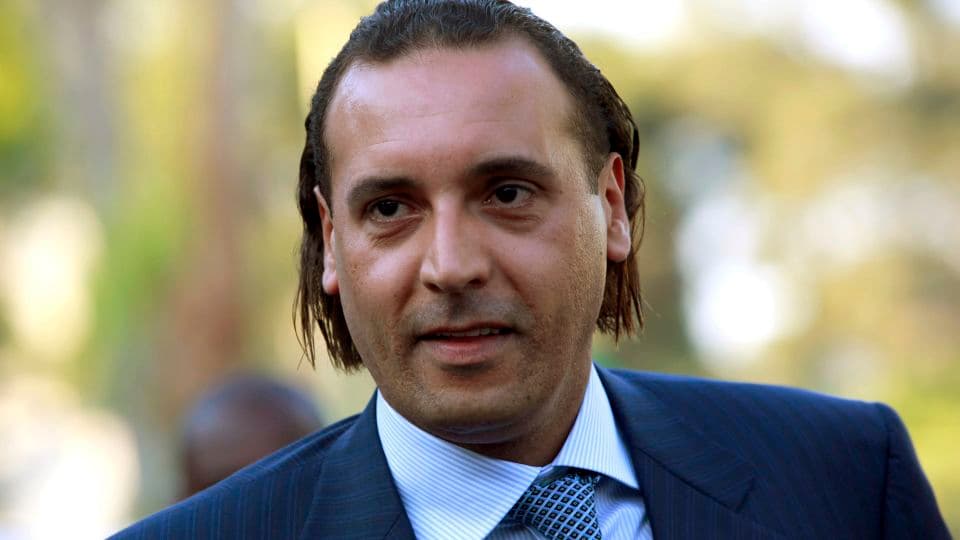
Hannibal Gadhafi, son of late Libyan leader Moammar, released by Lebanon after 10 years in detention - Yahoo News Singapore
Content
Key Insights
The core facts extracted include Hannibal Gadhafi’s release after a decade-long detention in Lebanon, the reduction of his bail from $11 million to $900,000 paid by a Libyan delegation, and his detention being linked to the disappearance of Lebanese cleric Moussa al-Sadr in 1978.
Geographically, the events span Lebanon, Libya, and Syria, involving entities such as Lebanese judicial authorities, the Libyan government, and the Gadhafi family.
Direct stakeholders are Hannibal Gadhafi, Lebanese authorities, and the Libyan delegation, while peripheral groups impacted include the cleric’s family and the broader Lebanese Shiite community.
Immediate impacts involve the resolution of a decade-old legal case, potential shifts in Lebanese-Libyan diplomatic relations, and the emotional closure for parties linked to al-Sadr’s disappearance.
Historically, the situation parallels other politically charged detentions stemming from regime changes, notably the post-2011 Libyan civil war where Gadhafi family members faced arrests and exile.
Future projections suggest opportunities for diplomatic normalization and regional stability if Hannibal’s release fosters dialogue, but risks remain if unresolved tensions over al-Sadr’s fate persist.
From a regulatory standpoint, recommendations include implementing stricter bail guidelines for politically sensitive detainees (high priority, moderate complexity), enhancing diplomatic channels to resolve legacy cases (moderate priority, high complexity), and establishing transparent judicial procedures to prevent indefinite detentions without trial (high priority, moderate complexity).
This analysis highlights verified data on Hannibal’s release and legal context, while cautiously projecting diplomatic outcomes amid ongoing regional complexities.