Content
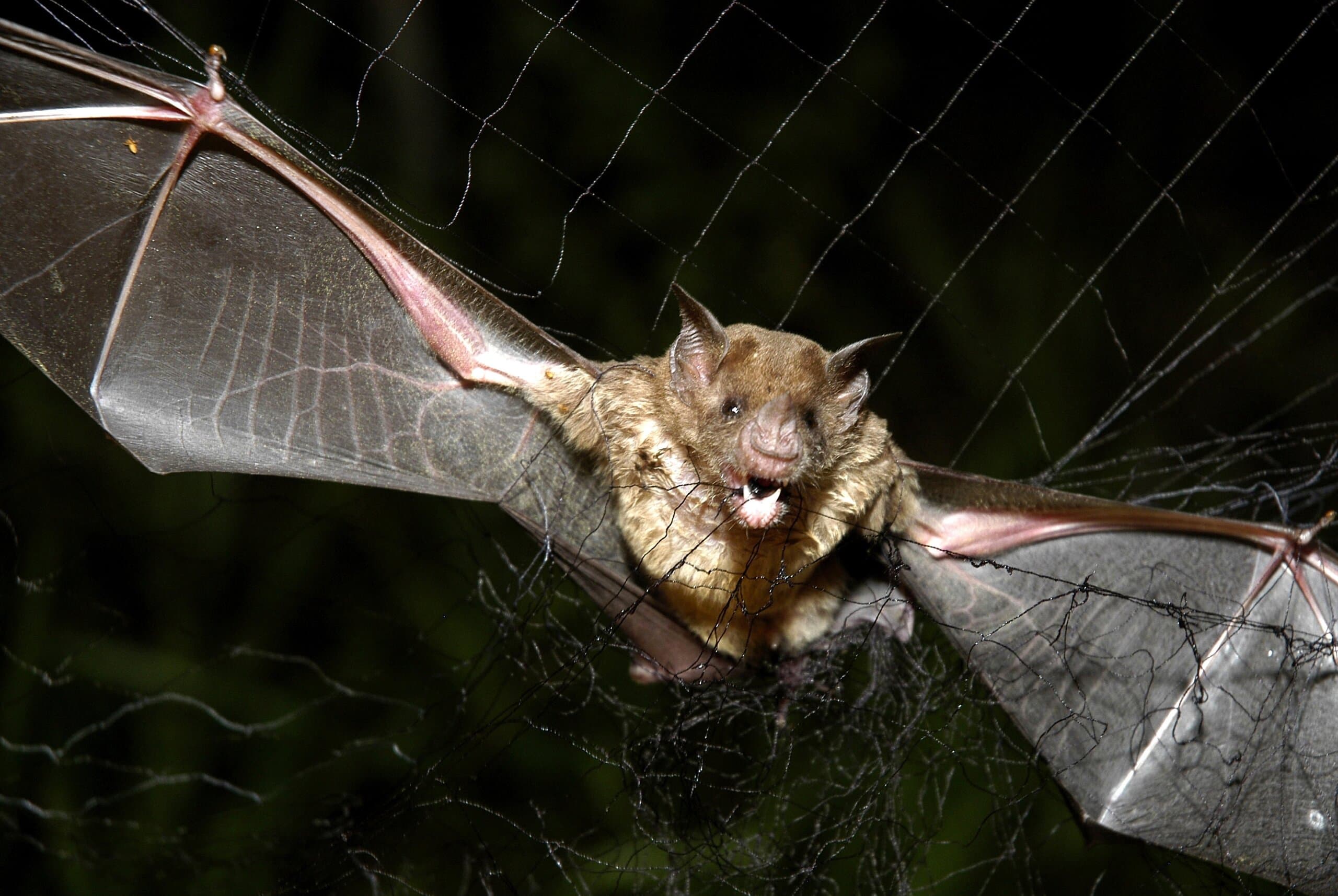
At Worcester Polytechnic Institute’s robotics lab in Massachusetts, something that might look like a Halloween setup is actually a serious testing ground for tiny drones built to help in search and rescue missions, especially under tough conditions like darkness, smoke, or storms. Assistant professor Nitin Sanket explains that during disasters such as earthquakes or tsunamis, power outages are common, and rescue efforts can’t always wait for daylight. This led the team to look at nature for inspiration, settling on bats, which use echolocation — a way of navigating by bouncing sound waves off objects — to move around even in pitch-black environments.
With funding from the National Science Foundation, Sanket and his students have been creating small, affordable drones that can fly where regular drones might fail. These robots are designed to be energy efficient and capable of operating in situations where visibility is zero. Similar tech has already made an impact globally: emergency teams in Pakistan have used drones to spot people stuck on rooftops after floods, a California rescue crew found a man trapped behind a waterfall for two days with drone help, and in Canada, drones helped locate miners trapped underground for over 60 hours.
Despite these successes, current drones usually need to be manually operated, and they tend to be bulky and expensive, limiting their use in some rescue scenarios. Ryan Williams, an associate professor at Virginia Tech, highlights the next step in drone tech: autonomous swarms that can make decisions on where to search without human control. His team has used data from thousands of missing person cases to teach drones patterns of likely behavior, improving their effectiveness in wilderness searches.
Sanket’s drones at WPI are designed to be palm-sized and primarily made from hobby-grade, low-cost materials. They rely on ultrasonic sensors similar to those on automatic faucets to map their surroundings by sending out high-frequency pulses and listening for echoes, much like bats do. In demonstrations, these drones have been shown to safely detect obstacles like clear Plexiglas walls even in near-total darkness, fog, and simulated snow.
However, the development hasn’t been smooth sailing. The noise from the drone’s propellers initially messed with the ultrasonic sensors, so the team 3D-printed special shells to cut down on interference. They’ve also incorporated artificial intelligence to help the drone filter and understand the sounds it receives. Even with these advances, the drones aren’t yet as keen as real bats, which have incredibly fine-tuned hearing able to pick up the tiniest echoes, sometimes from something as small as a human hair meters away.
Sanket stresses that while the drones aren’t perfect yet, the goal is to eventually create machines that can be deployed in real-world rescue missions where conditions are dangerous, dark, and dirty — situations that are all too common in emergencies. The promise of this bat-inspired technology offers hope for faster, safer rescues in scenarios where conventional drones fall short, potentially saving more lives in the future.