
Hurricane Melissa spins into a monster storm as it bears down on Jamaica
Content
Key Insights
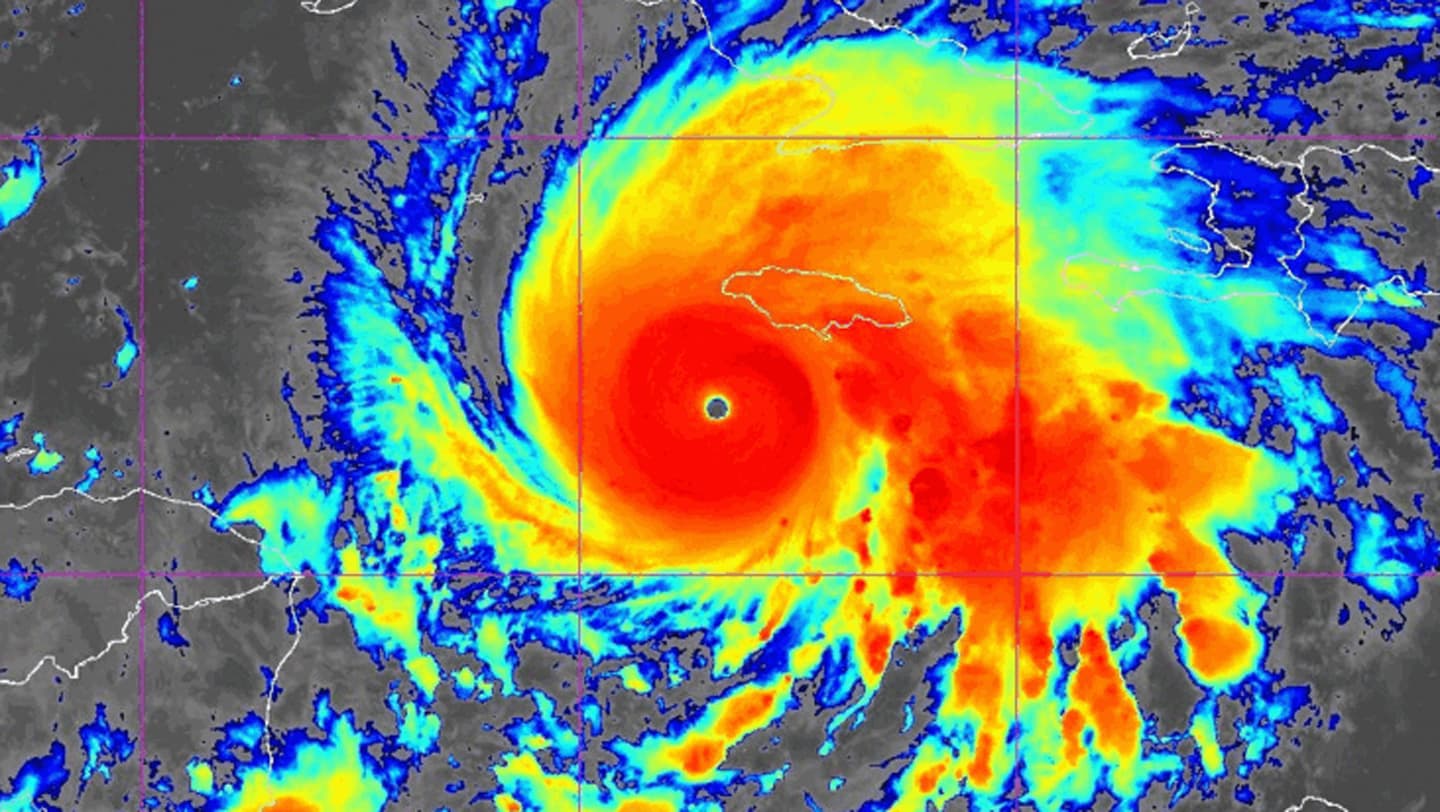
Hurricane Melissa represents a critical event occurring on October 28, 2025, primarily impacting Jamaica and subsequently Cuba, Haiti, and the Dominican Republic.
Key facts include Melissa’s Category 5 intensity with 290 km/h winds, its unprecedented strength for a Jamaican landfall, and its massive reach with hurricane-force winds extending over 70 km.
Stakeholders directly involved are local populations, emergency response teams, and governments in the affected Caribbean nations, while peripheral groups include regional economies, infrastructure services, and international aid organizations.
Immediate impacts involve widespread physical destruction, flash flooding, and displacement of communities, with cascading failures in infrastructure and critical services.
Historical parallels with Hurricane Katrina (2005) highlight similarities in rapid intensification and catastrophic regional effects, though Melissa’s unusual early season intensity and slow movement mark a distinct operational challenge.
Future projections suggest a trajectory of increasingly severe hurricanes driven by warming oceans, with potential for both innovation in predictive technology and urgent need for enhanced mitigation strategies.
From a regulatory perspective, key recommendations include strengthening building codes to withstand stronger storms (high priority, moderate complexity), improving early warning systems and community outreach (high priority, low complexity), and investing in climate-resilient infrastructure projects (moderate priority, high complexity).
These measures aim to reduce vulnerability and improve disaster response effectiveness amid evolving hurricane risks.