Content
Black Friday is fast approaching, and while it’s tempting to jump on every smartphone deal that pops up, there’s a crucial factor you need to consider before hitting that buy button. The major concern isn’t always the phone’s hardware or features but how long it will keep getting software updates. Software support determines not just new features, but also security patches and app compatibility. Buying a phone that’s nearing the end of its update life can lead to frustration down the line as apps stop working and your device becomes vulnerable to security risks.
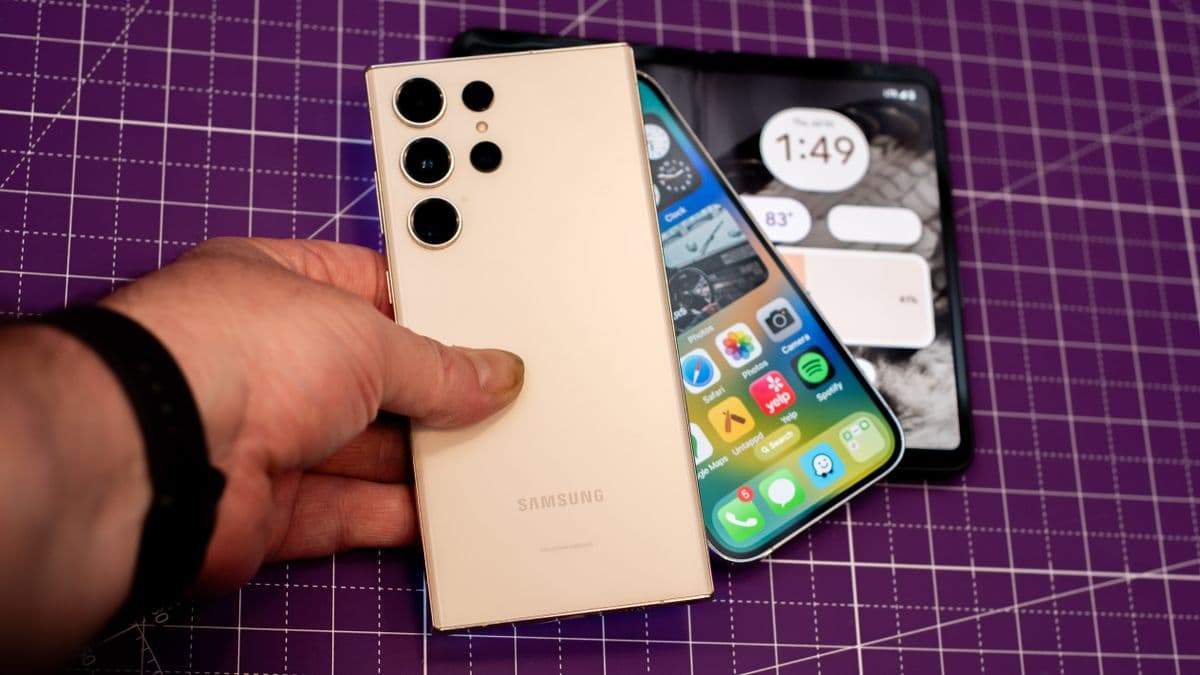
Take the Samsung Galaxy S23 Ultra, for example. It has fewer than two years of major operating system updates left. That means by the time 2027 rolls around, it’ll stop receiving important updates, which might not be the best investment if you want to keep a phone for several years. The same goes for a bunch of other recent models, including the iPhone 13 series, Samsung's S23 lineup, and Google Pixel 7 phones. While these devices are still solid performers today, their software support window is closing faster than you might expect.
This doesn’t mean these phones are bad or broken—they generally are great devices with top-notch specs. The problem is longevity. If you’re planning to keep your phone for more than a couple of years, it’s smarter to pick a model that will get updates well into the future, preferably through 2028 and beyond. Phones that won't stick around in terms of support can leave you stuck with outdated software and potentially expose you to security risks as patches dry up.
One phone to outright avoid is the Nothing Phone 2, which is no longer expected to receive any major operating system updates. That’s a red flag for anyone wanting a long-lasting device. Meanwhile, phones like the Samsung Galaxy S24 series, iPhone 14, and Google Pixel 8 offer better commitments on updates and are safer bets if you want to avoid premature obsolescence. So even though Black Friday deals on older models might look attractive, it’s important to weigh the long-term value.
Older phones than those mentioned here, like the iPhone 12 or earlier, are also not recommended. Their lack of software support means you’re likely to face the same issues of app incompatibility and security vulnerabilities sooner than later. On the flip side, successors to these models will probably continue getting updates for at least another three years, making them a better pick if you’re planning to hold onto your phone for a while.
So, when shopping this Black Friday, don’t just chase the cheapest deal or the flashiest specs. Look into the update roadmap for the phone you want. Manufacturers have been improving their update policies lately, as seen with Samsung’s Galaxy S24 series, which promises longer support than previous generations. Ultimately, a phone that stays updated means a more secure, smoother, and more enjoyable experience in the long run.
While digging through deals, keep an eye out for the latest launches and newer models offering extended software support. The market is evolving, so picking a phone with a solid update future is key. This way, you won’t just save money upfront but also avoid the hassle and cost of upgrading again too soon. Black Friday can be a great time to upgrade, but smart shoppers know that firmware support is as important as hardware specs when choosing a new phone.