Content
Nintendo’s journey in the console market has often been a rollercoaster, but it’s hard to ignore the company’s incredible success with the Switch. Back during the Wii era, many folks wrote Nintendo off, seeing it as stepping away from the power play that Sony and Microsoft were engaging in with their PlayStation and Xbox machines. Instead of competing on raw hardware specs, Nintendo chose a different path, focusing on innovation and creativity — changing what a console could be. The Wii, initially dubbed the Revolution, faced its fair share of scepticism and even mockery for being a low-powered “toy” compared to the Xbox 360 and PlayStation 3. Yet, it struck a chord with gamers in a way neither competitor really did.
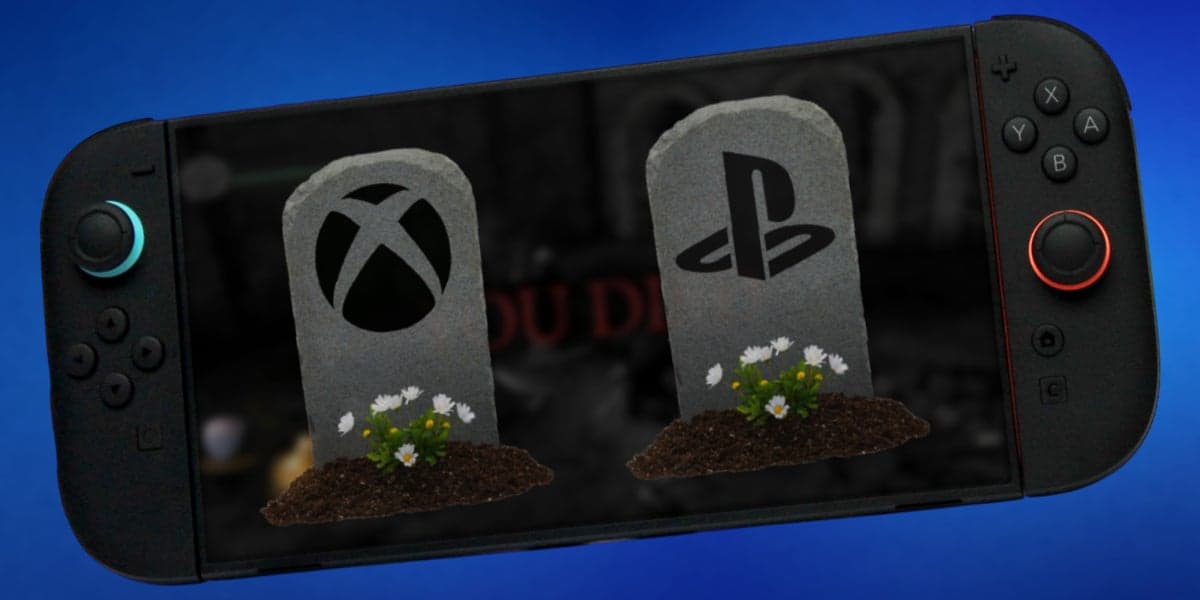
Fast forward to today, and the console landscape seems far less predictable. This generation, often called the ninth, feels like it’s barely gotten started. Microsoft has shifted strategy, moving away from a pure console battle with Sony and instead pushing Xbox games across multiple platforms. Rumours suggest their next hardware could be more PC-like, blurring lines between traditional consoles and computers. Sony, meanwhile, is doing better with the PlayStation 5 and hinting at a PlayStation 6, plus a handheld device in the works. But with console prices rising due to production costs and tariffs, and phones becoming the entry-level gaming platforms, many wonder if the traditional console’s heyday is behind us.
Enter Nintendo with the Switch — a hybrid handheld-console that’s defied expectations. The Switch is on track to become Nintendo’s best-selling console ever, poised to surpass the Nintendo DS, which sold over 154 million units. The Switch’s sales figures are jaw-dropping compared to Nintendo’s past consoles: the Wii U managed just over 13 million, the 3DS nearly 76 million, and even the iconic SNES sold under 50 million units. This makes the Switch’s achievement all the more remarkable.
Not only has the original Switch outpaced these numbers, but the Switch 2 is launching with even stronger momentum. If this pace continues, the Switch could challenge the all-time sales champion, the PlayStation 2, which sold more than 160 million units over its lifetime. Considering the state Nintendo was in at the start of this generation — recovering from the Wii U’s poor performance and leadership changes — this turnaround is stunning. It’s a testament to Nintendo’s commitment to innovation even under pressure.
Interestingly, the Switch’s success has influenced the wider industry. Devices like Valve’s Steam Deck, rumors of a Sony handheld, and Microsoft’s recently announced ROG Xbox Ally X all borrow from the Switch’s hybrid design concept. Despite this, Nintendo often remains the odd one out, quietly leading with an approach others are only now trying to emulate. While Sony and Microsoft continue to explore new hardware, with uncertain outcomes, Nintendo’s hybrid model caters to an evolving audience looking for flexible, creative gaming experiences.
Looking ahead, the console market may feel stranger without the usual intense rivalry dominating the landscape. Yet, Nintendo’s ability to survive and thrive quietly, adapting to changing circumstances, suggests it will remain a key player. The Switch’s story challenges the notion that consoles are dying — instead, it shows how innovation and a fresh vision can revive and reshape a whole industry.