Content
With the overwhelming number of indie games launching on Steam regularly, standing out is a huge challenge for developers. Italian studio Fix-a-Bug found themselves accidentally hitting the jackpot in Japan before even officially releasing their game. Their 2D rogue-lite dungeon crawler, originally titled The Crazy Hyper-Dungeon Chronicles in English, was mistakenly translated to Japanese as "Shitty Dungeon" (Kuso Danjon) on its Steam store page. This blunder happened because at the time of putting out a demo in August, they hadn’t yet secured a proper Japanese translation and relied on rough machine translations.
The developer, Paolo Nicoletti, shared in an interview that when the team realized the mistake, everyone couldn’t help but laugh. Rather than hurting the game’s reputation, the unexpected and admittedly hilarious title caught the attention of many Japanese gamers and sparked lively discussions on social media platforms like X (formerly Twitter). The game’s wishlist count skyrocketed, which Nicoletti dubbed “the best accidental marketing” they could’ve hoped for. This incident was first noticed around early August, with chatter growing by mid-month as users reported the mistranslation on the official Discord channel.
Although it’s still unclear how exactly this mistranslation slipped through, it coincided with the game’s demo being chosen for the Tokyo Game Show’s ‘Selected Indie 80’ lineup, where the Japanese localization suffered from other awkward machine-translated lines. The developers assured players these would be fixed for the full release. Meanwhile, the unusual title helped the game carve a niche in an ocean of new releases, triggering curiosity about whether the game’s quality matched its crude name.
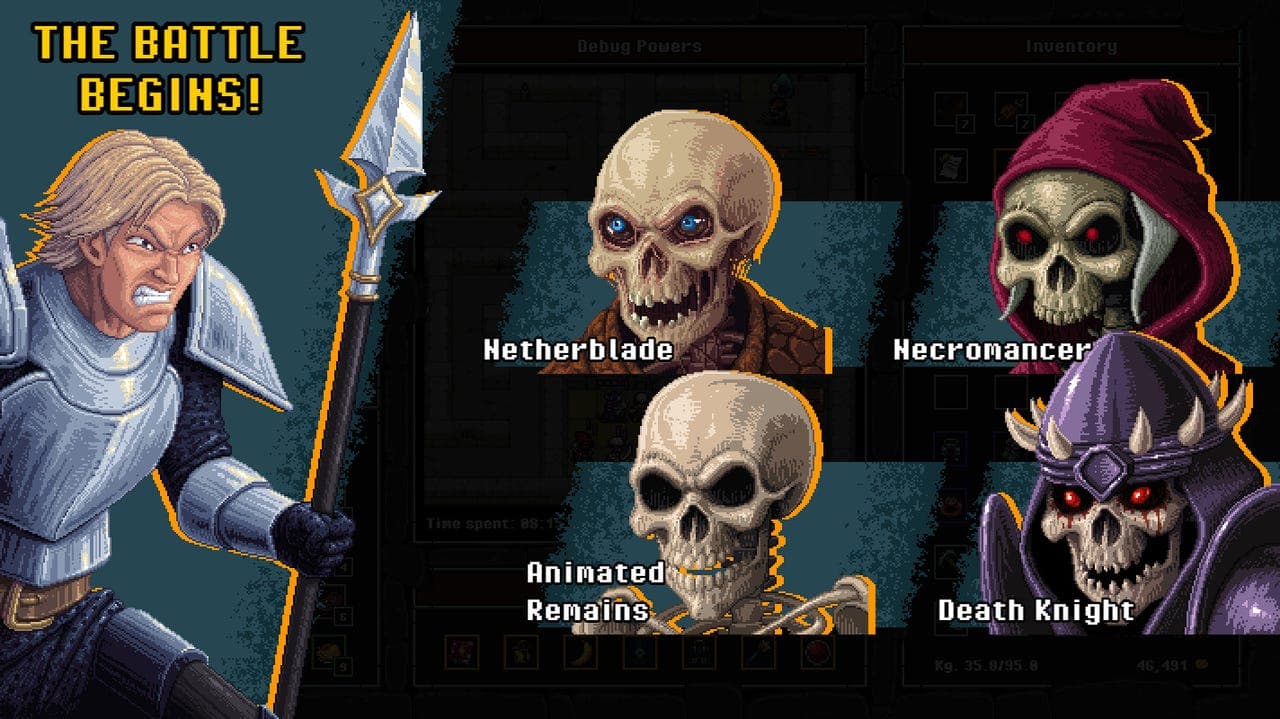
Reviews have since proven that The Crazy Hyper-Dungeon Chronicles is far from a flop. It holds a Mostly Positive rating on Steam and has been praised for its witty dialogue, satisfying gameplay, and thoughtful design. Japanese players who initially chuckled at the title have complimented the game’s humor and pixel art quality. One reviewer mentioned buying the game blindly because of the title but was pleasantly surprised by its well-crafted combat and balanced mix of humor and tension. This contrast between the rough translation and solid game quality added to its charm and appeal.
This incident highlights how translation errors, while often problematic, can sometimes create memorable moments that boost a game's visibility. Just like classic examples such as Zero Wing’s iconic "All your base are belong to us" or Castlevania: Symphony of the Night’s famous line "What is a man? A miserable little pile of secrets," mistranslations can sometimes become cultural phenomena in their own right. While professional localization is always preferable, these quirks have their own strange kind of marketing magic. Verity Townsend, a Japan-based freelance writer familiar with game localization, notes that despite the hiccups, the game’s reception shows a growing appreciation for indie titles that combine humor with solid gameplay, even when their initial Japanese presentation is less than perfect.