
Iran in crisis as major drought forces regime to cut off water to Tehran, consider evacuation
Content
Key Insights
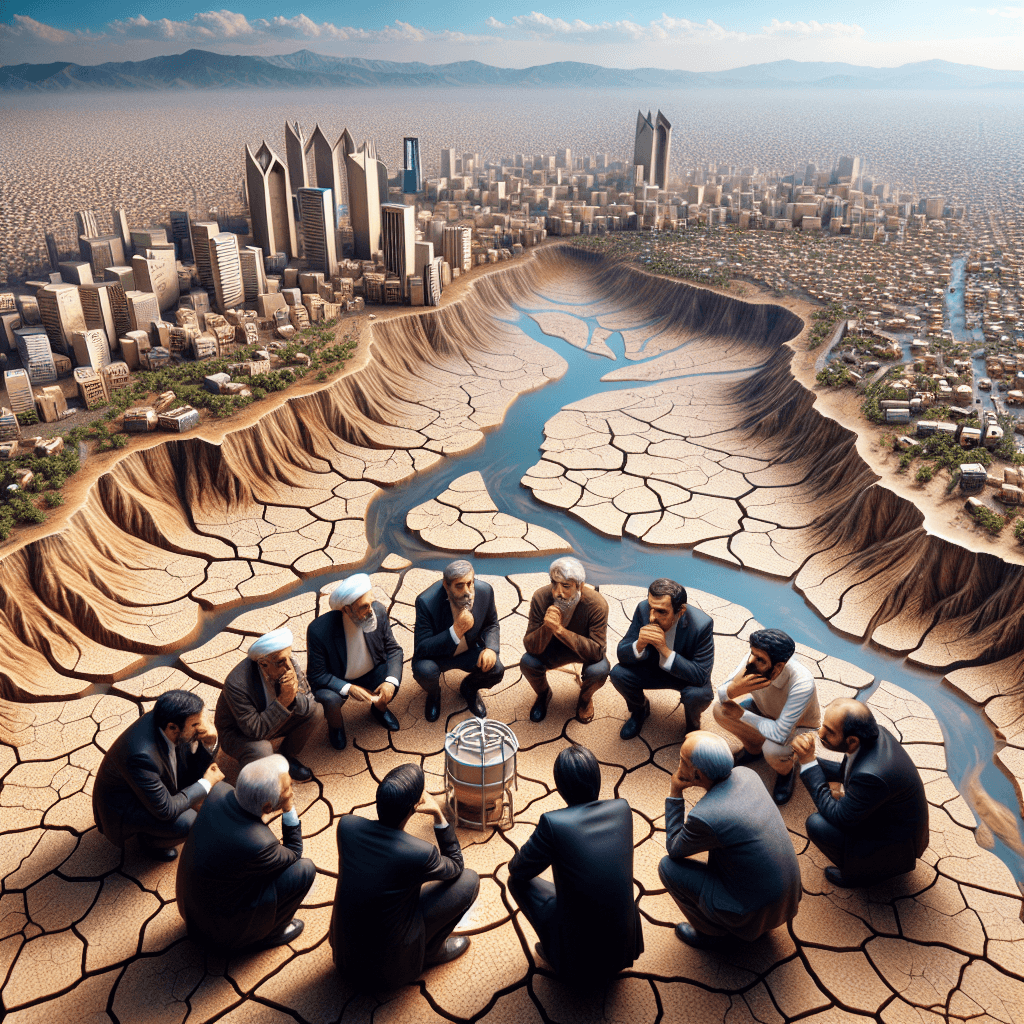
The core facts center on Iran experiencing its worst drought in decades, leading to the government shutting off water supplies in several regions, including Tehran, and considering evacuating the capital.
The timeline is recent, with announcements made in early November 2025.
Geographically, the crisis impacts Tehran primarily but extends to other provinces across Iran.
Key entities include the Iranian government, specifically the Energy Ministry, and the urban populations reliant on water access.
Stakeholders range from affected civilians and local industries to broader governmental and environmental organizations.
Immediate impacts include water rationing causing disruptions in domestic life, potential migration pressures if evacuations proceed, and economic slowdowns in sectors dependent on water.
Comparably, the 2018 Cape Town water crisis illustrates how urban centers can face severe restrictions, public unrest, and policy shifts under extreme drought conditions.
Iran’s historical water management challenges echo lessons from such events, though the scale and political context differ.
Looking ahead, optimistic scenarios involve adopting innovative water-saving technologies and improving infrastructure to mitigate future drought risks, while pessimistic paths warn of escalating scarcity, social instability, and environmental degradation absent effective intervention.
From a regulatory perspective, recommendations include: first, prioritizing investment in sustainable water infrastructure to reduce losses and boost reservoir capacity; second, implementing comprehensive water usage regulations with strict enforcement to curb wastage; and third, developing emergency response protocols that include clear communication strategies and contingency plans for urban evacuations if necessary.
These steps vary in complexity and impact, with infrastructure investments being resource-intensive but yielding long-term benefits, regulatory reforms offering quicker implementation with moderate effects, and emergency preparedness critical for immediate risk mitigation.
This analysis highlights verified data regarding drought severity and government actions, while projections about social and economic consequences remain speculative.
Clarification of technical terms such as “reservoir refill cycles” and “water rationing protocols” is essential for precision.
Overall, the Iranian drought crisis exemplifies the compounding challenges of environmental stressors on urban resilience, demanding coordinated policy and technical responses to avert exacerbated humanitarian and infrastructural fallout.