
Israel’s Holocaust Museum says names of 5 million of 6 million victims identified
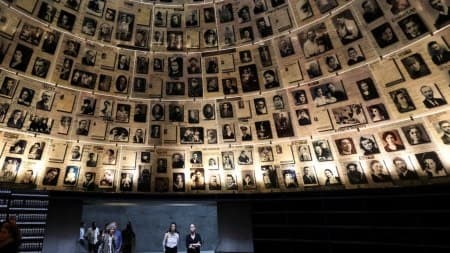
Content
Key Insights
The core facts underscore that Yad Vashem has identified five million Holocaust victims, with one million still unidentified, and plans to use AI to recover an additional 250,000 names.
This effort is geographically centered in Jerusalem and involves significant technological innovation in historical research.
Primary stakeholders include Holocaust survivors, victim families, historians, and the global Jewish community, while secondary effects impact educational institutions and cultural memory preservation worldwide.
Immediate impacts are seen in renewed public awareness and enhanced archival accuracy, akin to historical efforts like the post-WWII Nuremberg trials that sought justice and documentation of Nazi crimes.
Comparatively, like the Truth and Reconciliation Commission in South Africa, Yad Vashem’s work fosters collective memory and moral reckoning.
Future projections show potential for AI-driven breakthroughs in historical data retrieval, balanced against risks of data misinterpretation or loss of survivor testimony.
From a regulatory perspective, recommendations include prioritizing funding for AI development, establishing international data-sharing protocols, and enhancing educational outreach to maintain awareness.
These steps vary in complexity and impact but collectively strengthen Holocaust remembrance and prevent historical erasure.