
Karnataka panel proposes online liquor sales
The Karnataka state appointed resource mobilisation panel has proposed the introduction of online liquor sales as part of a comprehensive overhaul of the state's excise framework. According to reports, the committee suggests integrating regulated online sales and home delivery into the existing licensed retail system to modernize alcohol distribution. The recommendation aims to improve transparency, strengthen compliance, and enhance revenue efficiency through digitally tracked transactions. By shifting towards online channels, the panel notes that verifiable records for every sale could aid monitoring and reduce leakages such as tax evasion and diversion. Operational benefits include reduced congestion at retail outlets and lower reliance on informal supply chains, particularly in urban centres. Further, digital platforms could enable stronger age verification and quantity control through identity checks at both purchase and delivery stages. This approach makes the system more auditable than traditional cash-led retail methods. However, the committee has also outlined risks such as underage access, the possibility of increased consumption due to convenience, and the role of unauthorised intermediaries. To mitigate these concerns, any rollout must be tightly regulated and limited to licensed operators. The panel recommends supporting the initiative with robust systems including registration, digital payments, verification protocols, and track and trace mechanisms. The primary takeaway is the strategic shift towards digitizing alcohol distribution to curb illicit trade and boost state revenues. This move signifies a broader trend of leveraging technology for fiscal governance in sensitive sectors. However, the success of such a rollout depends heavily on the robustness of the proposed verification protocols against unauthorized intermediaries. Without strict enforcement, concerns regarding underage access and convenience-driven consumption remain valid challenges.
Published: April 27, 2026 at 09:48 AM
News Article
online-shopping
retail
sales-channel
products-and-services
economy
-business-and-finance
Content
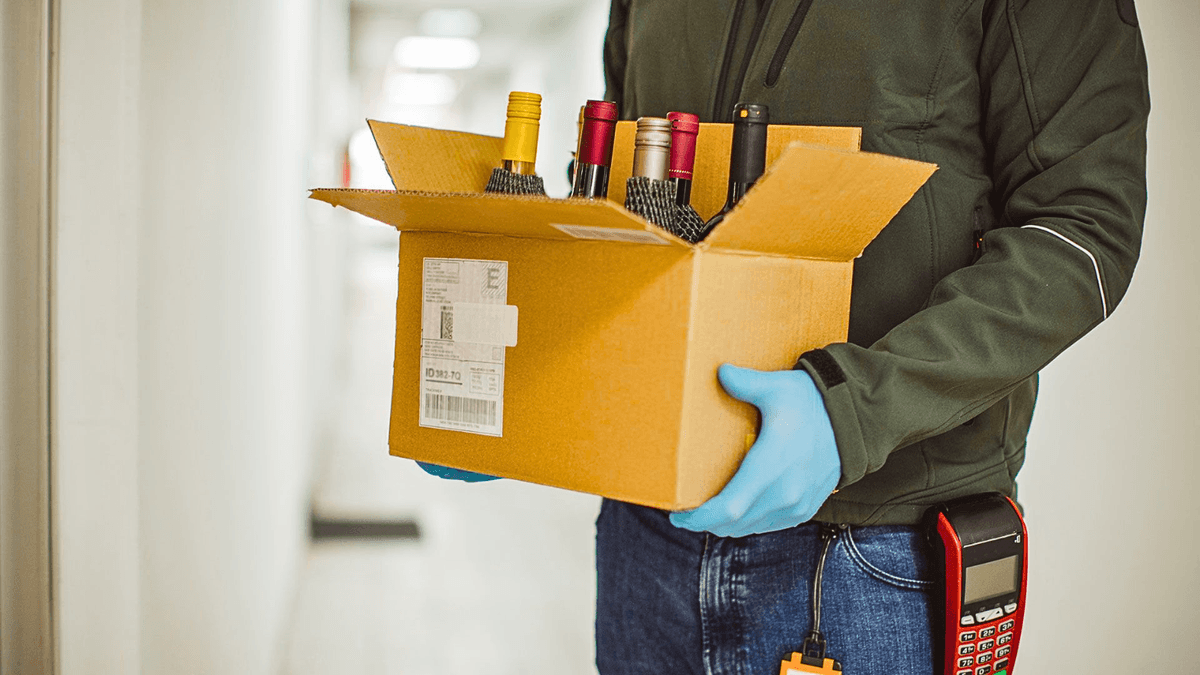
The Karnataka state appointed resource mobilisation panel has proposed the introduction of online liquor sales as part of a comprehensive overhaul of the state's excise framework. According to reports, the committee suggests integrating regulated online sales and home delivery into the existing licensed retail system to modernize alcohol distribution.
The recommendation aims to improve transparency, strengthen compliance, and enhance revenue efficiency through digitally tracked transactions. By shifting towards online channels, the panel notes that verifiable records for every sale could aid monitoring and reduce leakages such as tax evasion and diversion. Operational benefits include reduced congestion at retail outlets and lower reliance on informal supply chains, particularly in urban centres.
Further, digital platforms could enable stronger age verification and quantity control through identity checks at both purchase and delivery stages. This approach makes the system more auditable than traditional cash-led retail methods. However, the committee has also outlined risks such as underage access, the possibility of increased consumption due to convenience, and the role of unauthorised intermediaries.
To mitigate these concerns, any rollout must be tightly regulated and limited to licensed operators. The panel recommends supporting the initiative with robust systems including registration, digital payments, verification protocols, and track and trace mechanisms.
Key Insights
The primary takeaway is the strategic shift towards digitizing alcohol distribution to curb illicit trade and boost state revenues.
This move signifies a broader trend of leveraging technology for fiscal governance in sensitive sectors.
However, the success of such a rollout depends heavily on the robustness of the proposed verification protocols against unauthorized intermediaries.
Without strict enforcement, concerns regarding underage access and convenience-driven consumption remain valid challenges.