
Kent 19-year-old arrested in connection with alleged foiled Michigan terrorist attack
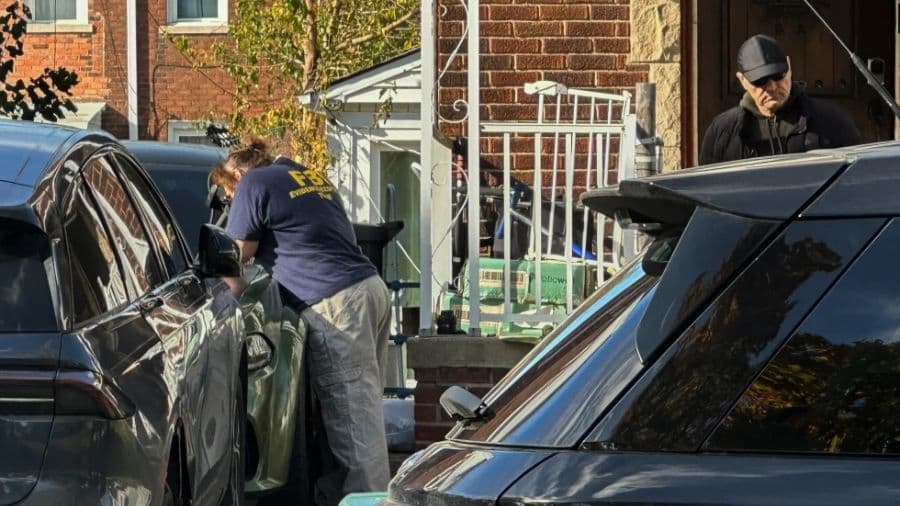
Content
Key Insights
The core facts reveal a coordinated foiled terrorist plot targeting LGBTQ+ bars in Detroit, involving six arrests including a 19-year-old from Kent and others from Michigan and Washington.
The timeline centers on the week leading up to Halloween 2025, with federal agencies across several states participating.
Stakeholders directly involved include the suspects, FBI field offices in Seattle and Newark, and local law enforcement, while the LGBTQ+ community and the general public represent groups indirectly impacted due to potential harm and increased security concerns.
Immediate impacts involve preventing loss of life and maintaining community safety, showcasing effective inter-agency cooperation.
Comparatively, this event echoes the 2016 foiled attacks on similar targets by domestic extremist groups, where rapid intelligence sharing and task force collaboration were vital in resolution.
Looking ahead, optimistic scenarios suggest leveraging improved counterterrorism frameworks and community engagement to thwart future threats, whereas risk scenarios include potential radicalization online requiring adaptive surveillance and preemptive policies.
From a regulatory perspective, recommendations include enhancing information-sharing protocols with local agencies (high priority, moderate complexity), investing in community-based counter-radicalization programs targeting vulnerable populations (medium priority, higher complexity), and developing rapid response task forces tailored for emerging extremist tactics (high priority, high complexity).
These measures aim to reinforce prevention strategies and protect at-risk communities effectively.