
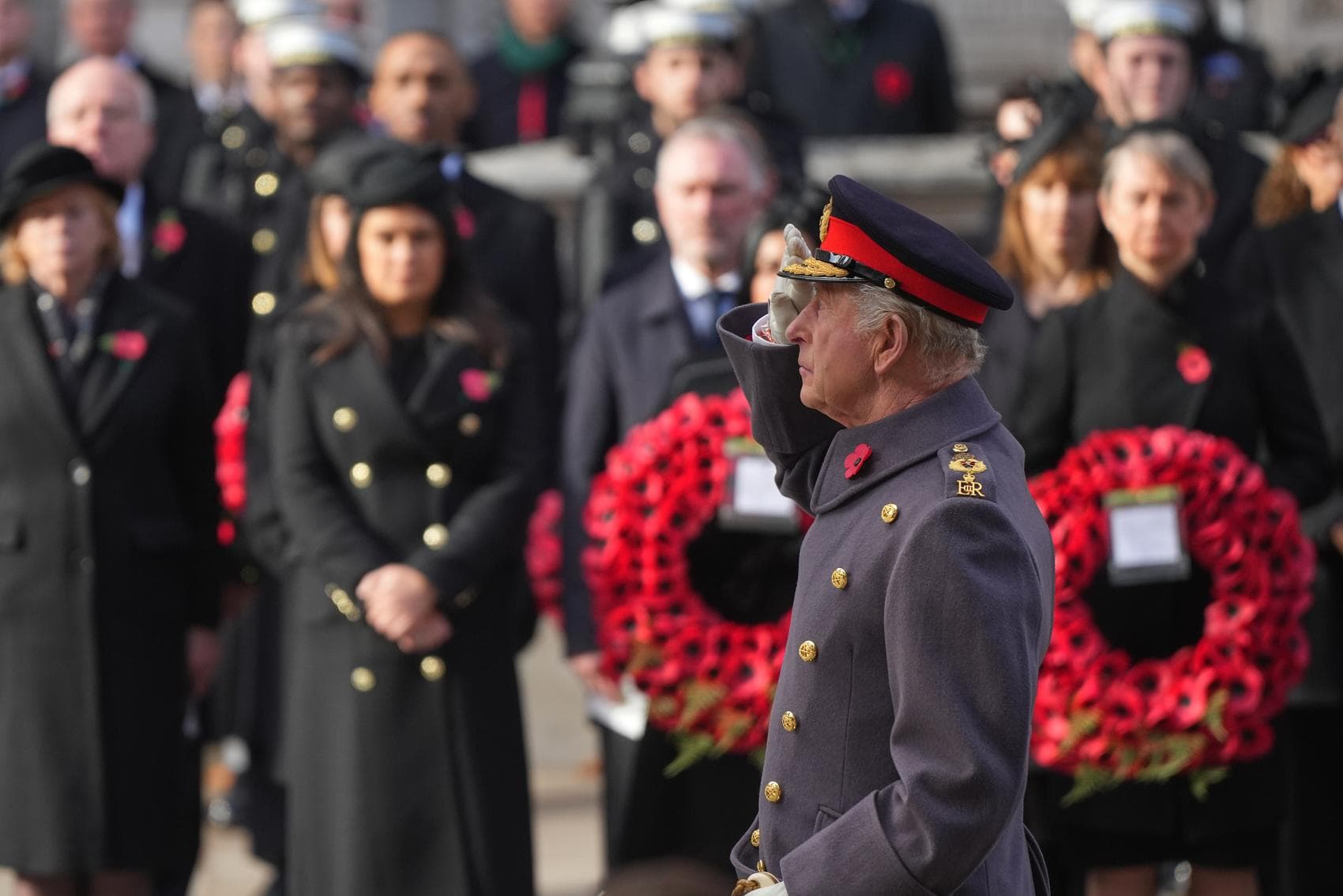
King Charles leads Britain's Remembrance Sunday ceremony for war dead
Content
Key Insights
The core facts extracted highlight King Charles III leading the Remembrance Sunday ceremony in London on the Sunday nearest November 11, marking WWI's end.
Key entities include the British royal family, political leaders, military personnel, veterans, and the wider public, with peripheral groups being Commonwealth diplomats and civilian services affected historically.
The immediate impact is a reinforced national unity and remembrance culture, visible in public participation and military acknowledgment, set against the backdrop of current geopolitical tensions such as the war in Ukraine.
Historically, this event parallels past Remembrance ceremonies marking the conclusion of major conflicts like WWI and WWII, with similar traditions of silence and wreath-laying fostering collective memory and national identity.
Future prospects include strengthening defense policies amid global instability, though risks of militarization and public fatigue exist.
From a regulatory authority's perspective, recommendations include enhancing veteran support programs (high priority, moderate complexity), expanding public engagement through educational initiatives about historical conflicts (moderate priority, low complexity), and ensuring transparent defense spending aligned with public communication (high priority, high complexity).
These actions aim to sustain the ceremony’s relevance and societal support while addressing evolving defense needs.
The executive summary clarifies that while the ceremony's data is verifiable, projections on defense strategy and public sentiment remain speculative, emphasizing the importance of maintaining historical consciousness alongside adapting to future security challenges.