Content
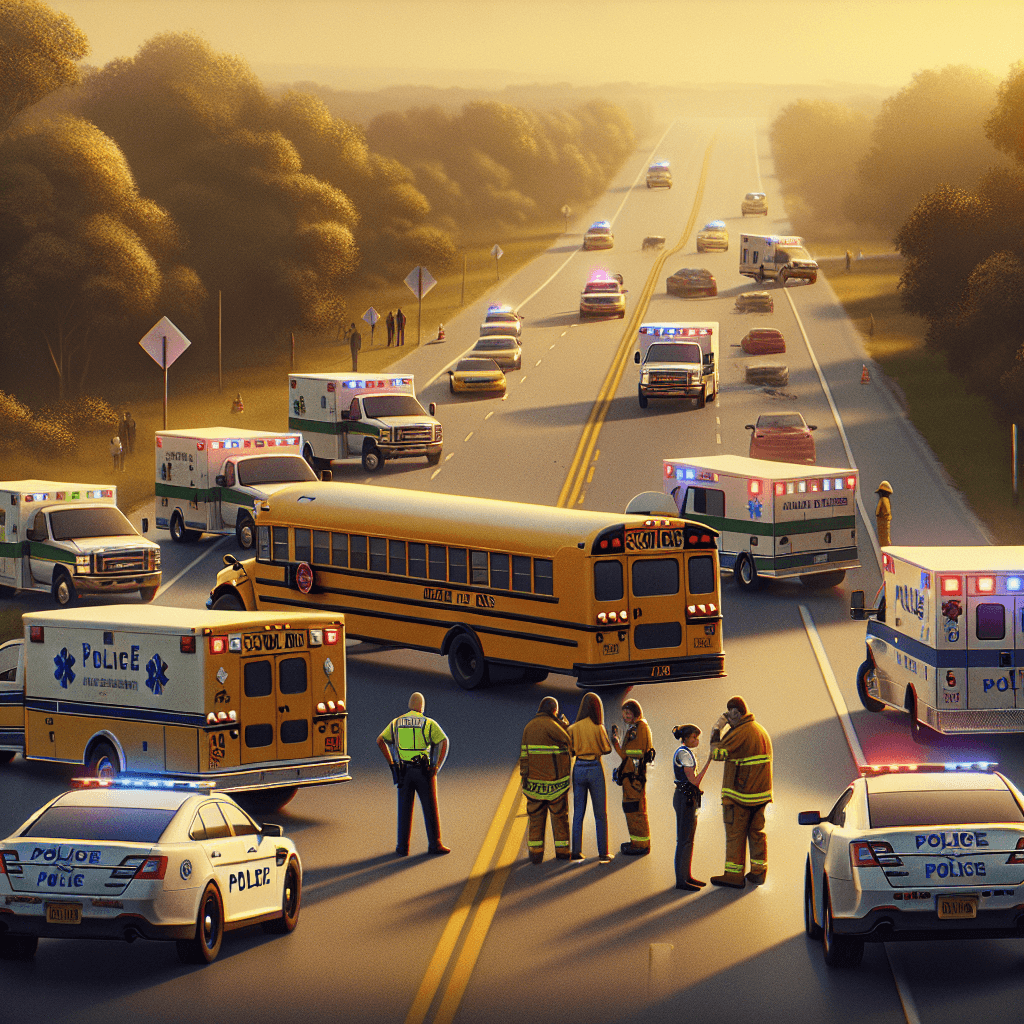
Every 30 seconds, somewhere in the world, a child gets hurt in a traffic accident. This staggering statistic sets the grim backdrop for a recent tragedy in Laval, Quebec, where a 13-year-old girl tragically lost her life after being hit by a school bus. This heartbreaking event exposes a critical issue that often gets overlooked: the growing dangers in school zones and the urgent need to shift from just reacting to accidents toward using technology to prevent them.
Reports from various local news outlets have shared the sorrow felt by the Laval community, highlighting not just the immediate pain but also the broader risks children face when large vehicles like school buses operate near them. The tragedy reveals how much we still depend on driver attentiveness alone, which is clearly not enough to keep kids safe in these busy zones.
In many towns, "slow zones" with lower speed limits around schools have been introduced to cut down accidents. While these zones show well-meaning efforts, they often fall short. Drivers can still make mistakes, and slower speeds don't always stop collisions, especially in places where visibility is poor or traffic patterns are tricky. Plus, inconsistent enforcement means these rules sometimes get ignored, leaving children exposed to danger.
The real problem isn’t just speed, but how well drivers and vehicles can sense and react to their environment. Thankfully, new technologies offer hope. AI-powered smart school zones can analyze live traffic data and pedestrian activity to adjust speed limits on the fly, trigger warning signals, or even reroute traffic temporarily. These systems can spot a child suddenly stepping into the road and warn drivers before an accident occurs. Some cities are already testing these smart zones with promising results.
Another exciting development is Vehicle-to-Everything (V2X) communication, which lets vehicles talk to each other and to infrastructure like traffic lights and crosswalks. Imagine a school bus alerting nearby cars about children nearby, giving drivers precious extra seconds to react. This tech could be a game-changer for school zone safety.
Advances in pedestrian detection are also growing fast. Modern cars use computer vision and sensors not only to detect people but also predict their movements, often paired with automatic emergency braking to prevent crashes or lessen their impact. Currently, about 60% of vehicles have this tech, with expectations to reach 90% in the next few years.
Still, technology alone isn’t enough. Effective safety means combining these innovations with smart urban planning—better sidewalks, protected bike lanes, well-lit and clearly marked crosswalks, and designs that physically separate kids from traffic. This holistic approach is key to truly secure school zones.
Equally important is ensuring new safety tech benefits every community fairly, including those with fewer resources or people with disabilities. Without attention to equity and accessibility, these improvements risk leaving some kids behind, widening safety gaps instead of closing them.
There are challenges, of course, like the high costs to upgrade infrastructure and getting widespread adoption of V2X technology. But the potential to save lives and reduce injuries makes it a worthy investment. Parents can play a vital role by pushing local officials and joining advocacy groups to demand safer school zones.
Autonomous vehicles might reduce accidents eventually, but they aren’t a perfect fix. Even self-driving cars face unpredictable situations. That’s why proactive, tech-driven safety measures must continue to evolve alongside them.
The Laval tragedy reminds us there’s no time to waste. By embracing innovation, improving urban design, and fostering collaboration across policymakers, educators, and tech developers, we can make school zones safe havens for our children. It’s on all of us to act before another young life is lost.