
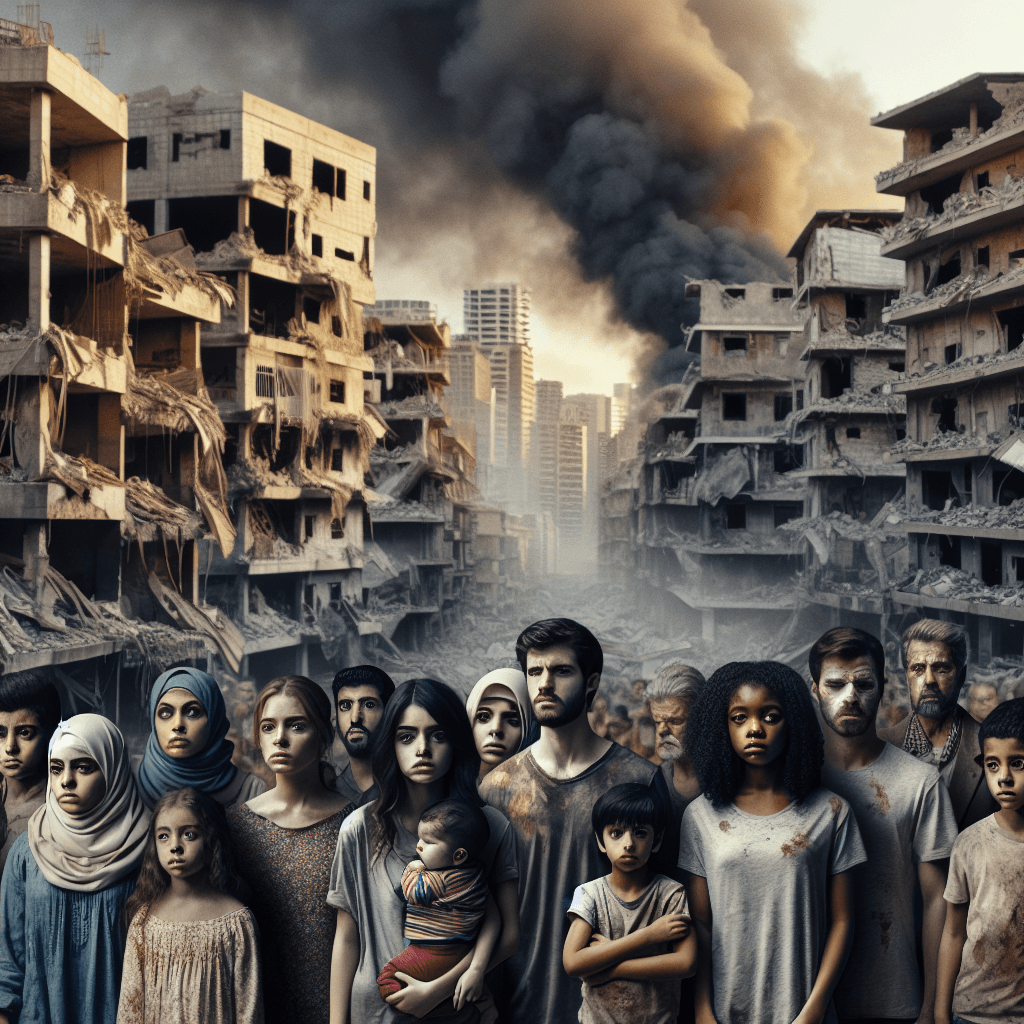
More than 2,000 civilians, mainly women and children, are executed in 48 hours as Sudanese city is captured by paramilitary group
Content
Key Insights
Key facts reveal that over 2,000 civilians, predominantly women and children, were executed in El-Fasher within two days of its capture by the Rapid Support Forces (RSF).
This event occurred in late October 2025, marking a critical geographical shift in Sudan's Darfur region as the RSF seized control of all state capitals there.
The primary stakeholders include the RSF and Sudanese Joint Forces, with local ethnic communities such as Fur, Zaghawa, and Berti directly affected, while international humanitarian organizations represent peripheral actors concerned with the crisis.
Immediate impacts involve mass civilian casualties, forced displacements, and escalating ethnic cleansing, reminiscent of past Darfur conflicts, notably the El-Geneina massacre.
Comparatively, the RSF's actions echo earlier patterns of paramilitary violence during Sudan's civil conflicts, characterized by protracted sieges and international condemnation but limited effective intervention.
Looking forward, outcomes diverge between potential innovation in conflict resolution through enhanced monitoring technologies versus risk scenarios involving deepened ethnic divisions and humanitarian collapse.
Regulatory authorities should prioritize establishing real-time conflict monitoring systems (high impact, moderate complexity), enforce international legal accountability for paramilitary crimes (high impact, high complexity), and facilitate secure humanitarian corridors to aid displaced populations (moderate impact, low complexity).
This structured analysis underscores the grave human cost and urgent need for coordinated responses to prevent further atrocities while considering long-term peacebuilding strategies.