
Names of 5 million of 6 million Jews killed in Holocaust now identified
Content
Key Insights
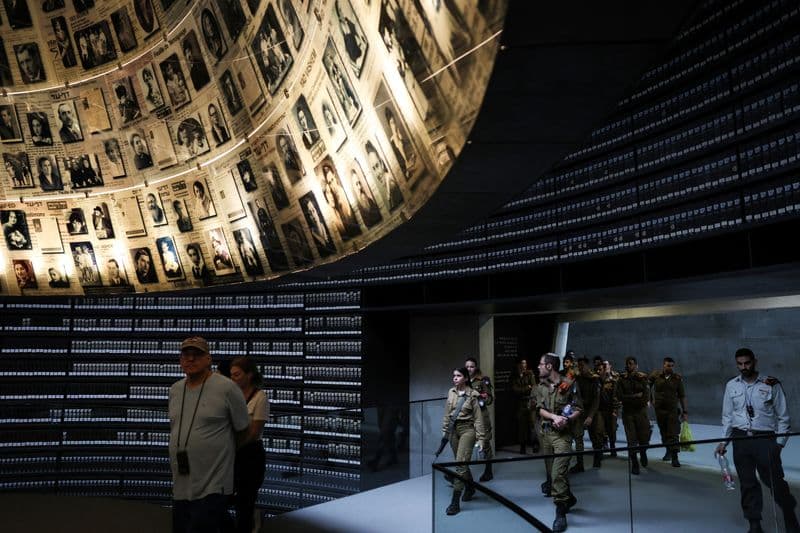
The core facts revolve around Yad Vashem's identification of five million Holocaust victims' names, the estimated one million still unidentified, and the use of AI to potentially recover an additional 250,000 names.
Geographically, this effort is anchored in Jerusalem, involving Israeli researchers, with global implications for Holocaust remembrance.
Key stakeholders include Yad Vashem, Holocaust survivor communities, researchers, and relatives of victims, while peripheral groups encompass educators, historians, and the general public engaged in Holocaust education.
Immediate impacts include renewed recognition for victims and enhanced archival accessibility, while sectors such as historical research and education benefit from enriched data.
Historically, this effort parallels post-World War I memorialization initiatives and the international documentation of genocide victims, both emphasizing remembrance through names.
Looking forward, optimistic trajectories suggest AI could revolutionize historical record-keeping and family reconnections, whereas risks involve data privacy challenges and potential inaccuracies in identification.
From a regulatory standpoint, three prioritized recommendations emerge: first, establishing strict data verification protocols to ensure accuracy (high importance, moderate complexity); second, creating international collaboration frameworks for data sharing (moderate importance, high complexity); and third, developing ethical guidelines for AI use in sensitive historical data (high importance, moderate complexity).
These steps aim to safeguard the integrity and impact of ongoing Holocaust victim identification efforts.