Content
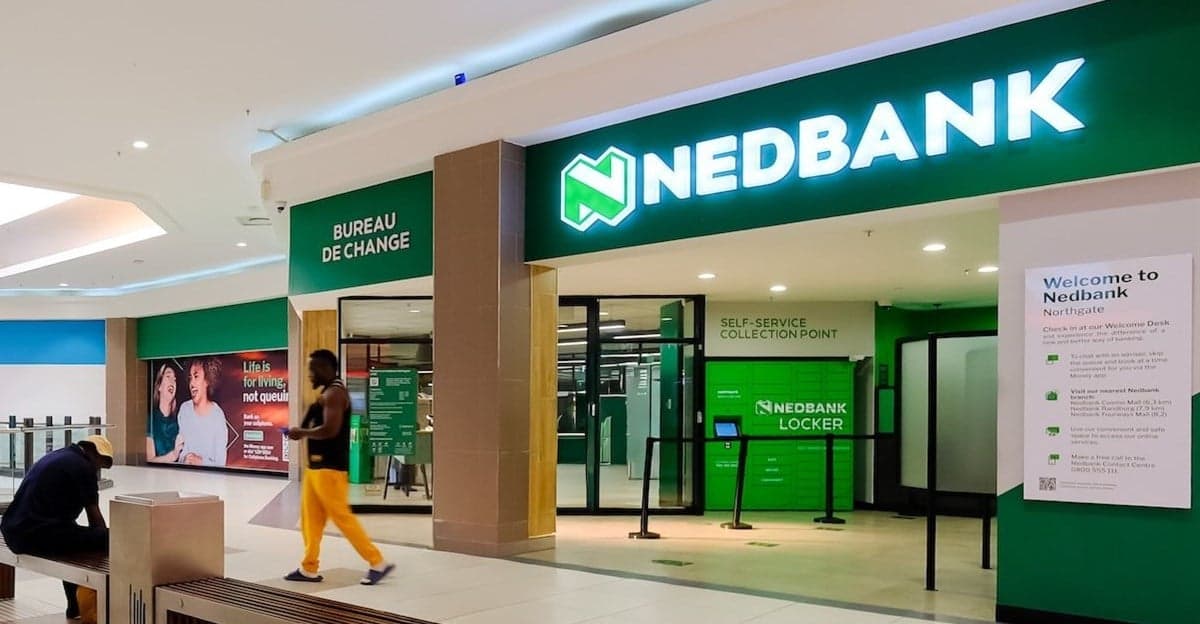
Nedbank Group Limited has taken a significant step towards corporate decarbonisation by partnering with Growthpoint Properties Limited to offset carbon emissions from 26 of its branches across South Africa. This collaboration utilizes Growthpoint’s renewable energy certificates (RECs), making Nedbank one of the first companies in the country to adopt this innovative approach. The initiative targets Scope 2 emissions, which are indirect emissions from purchased electricity, a major challenge for tenants in leased buildings where control over energy supply is limited. These branches are spread over five provinces, including locations such as La Lucia Mall in KwaZulu-Natal and The Constantia Village in the Western Cape, covering over 8,200 square metres of retail space.
The problem with Scope 2 emissions in multi-tenant buildings is that while businesses can manage their energy use, they can’t influence the energy source, especially in South Africa’s coal-reliant electricity grid. Growthpoint’s REC program addresses this by certifying solar power generated on-site at its properties and providing verified certificates to tenants like Nedbank. This solution not only helps companies offset emissions but also introduces blockchain-tracked green energy certification, improving transparency and reliability in the South African market.
Nedbank has welcomed this model as a practical way to advance its sustainability goals. Charl de Kock, Nedbank’s executive head of group business services, highlighted the immediate benefits of accessing RECs through Growthpoint, saying it removes a major barrier in reducing Scope 2 emissions, particularly where renewable energy generation or direct procurement is complicated. Nedbank has a strong sustainability track record, having met a 30% energy reduction target two years ahead of schedule and maintaining carbon neutrality since 2010.
From Growthpoint’s side, Werner van Antwerpen, head of corporate advisory, stressed the importance of transparent carbon offsets, especially for tenants who can’t tackle energy sourcing alone. Growthpoint sees this partnership as a step toward managing environmental risk and fostering leadership in the transition to a low-carbon economy. Both companies share ambitious climate targets, with Growthpoint aiming for carbon neutrality across its property portfolio by 2050, while Nedbank targets net-zero lending and investing by the same year.
Growthpoint’s renewable energy infrastructure plays a crucial role in this initiative. The company operates one of South Africa’s largest embedded renewable energy fleets, with 80 rooftop solar systems totaling 61.2 MWp capacity and plans to add another 7 MWp by mid-2026. Nearly half of these solar plants are registered on the international Renewable Energy Certificate (I-REC) registry, enabling globally recognized certification. This registry is increasingly popular among companies seeking to meet sustainability targets.
In addition to rooftop solar, Growthpoint recently launched its wheeled renewable energy project, e-co₂, backed by a 195 GWh power purchase agreement with Etana Energy. This agreement includes renewable hydro, wind, and solar power, with the Boston Hydroelectric Plant in Lesotho already contributing certified zero-carbon electricity to the national grid. Growthpoint holds a 30% stake in this plant and has exclusive rights to its renewable output. This green energy is supplied to 20 Growthpoint buildings connected to Eskom’s grid and three others on the City of Cape Town’s grid, including ten office buildings in Sandton. Each unit of clean energy consumed generates a tradable digital REC via a blockchain platform, enhancing transparency and traceability.
This groundbreaking green electricity program represents a milestone for South Africa’s green economy by demonstrating how landlords and tenants can collaborate to reduce carbon footprints. It sets a precedent for wider adoption of certified green energy solutions, providing businesses with credible ways to offset emissions while stimulating local green industry growth.