
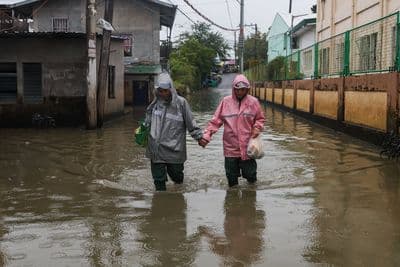
One million evacuated as super typhoon lashes the Philippines
Content
Key Insights
The core facts reveal that Super Typhoon Fung-wong struck the Philippines shortly after Typhoon Kalmaegi, prompting over a million evacuations and a state of emergency declaration.
The affected geographical areas included Luzon, the Bicol region, Cebu, and Manila, with approximately 30 million people potentially impacted.
Key stakeholders directly involved are the Philippine government, disaster response teams, affected residents, and international aid partners such as the US and Japan, while peripheral groups include transport workers and neighboring countries facing secondary effects.
Immediate impacts include extensive evacuations, flight cancellations, power outages, and casualties, reflecting severe disruptions in daily life and infrastructure.
Comparatively, this event echoes the 2023 Super Typhoon Ragasa in operational challenges and governmental response, though corruption concerns over flood control funding have compounded vulnerabilities this year.
Looking forward, optimistic scenarios involve improved disaster preparedness and international collaboration enhancing resilience, whereas risk scenarios highlight continuing infrastructure weaknesses and climate change intensifying storm frequency and severity.
From a regulatory standpoint, priority actions should include strengthening flood control governance to reduce corruption, enhancing early warning and evacuation protocols for at-risk populations, and investing in resilient infrastructure upgrade programs, balancing ease of implementation with significant impact on disaster risk reduction.