
Record Vietnam rains kill seven and flood 100,000 homes
Content
Key Insights
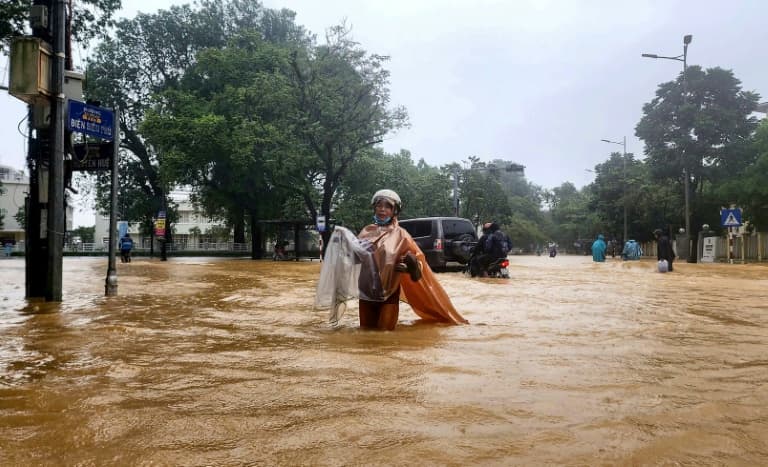
The recent central Vietnam floods, triggered by record-breaking rainfall of up to 1.7 meters in 24 hours, have led to at least seven deaths, five missing persons, and over 100,000 homes flooded.
Key stakeholders include affected local populations, government agencies like the environment ministry, and agricultural communities dealing with vast crop destruction.
Immediate impacts encompass mass evacuations, infrastructural damage, and disruptions in hydropower management due to reservoir discharges.
Historically, this event can be paralleled with previous severe floods in Vietnam, such as the 2020 central floods, which also saw massive displacement and economic loss, though response capabilities have somewhat improved since then.
Looking ahead, while technological advancements in early warning and infrastructure resilience offer hope for mitigating such disasters, increased rainfall intensity driven by climate change elevates risk levels, necessitating proactive disaster preparedness.
From a regulatory standpoint, prioritizing enhanced flood control infrastructure, improving real-time monitoring systems, and community-based emergency training would significantly reduce vulnerability, with infrastructure upgrades requiring higher investment but promising substantial long-term benefits.