
Romanian Village Evacuated After Russian Drone Strikes LPG Ship In Danube
Content
Key Insights
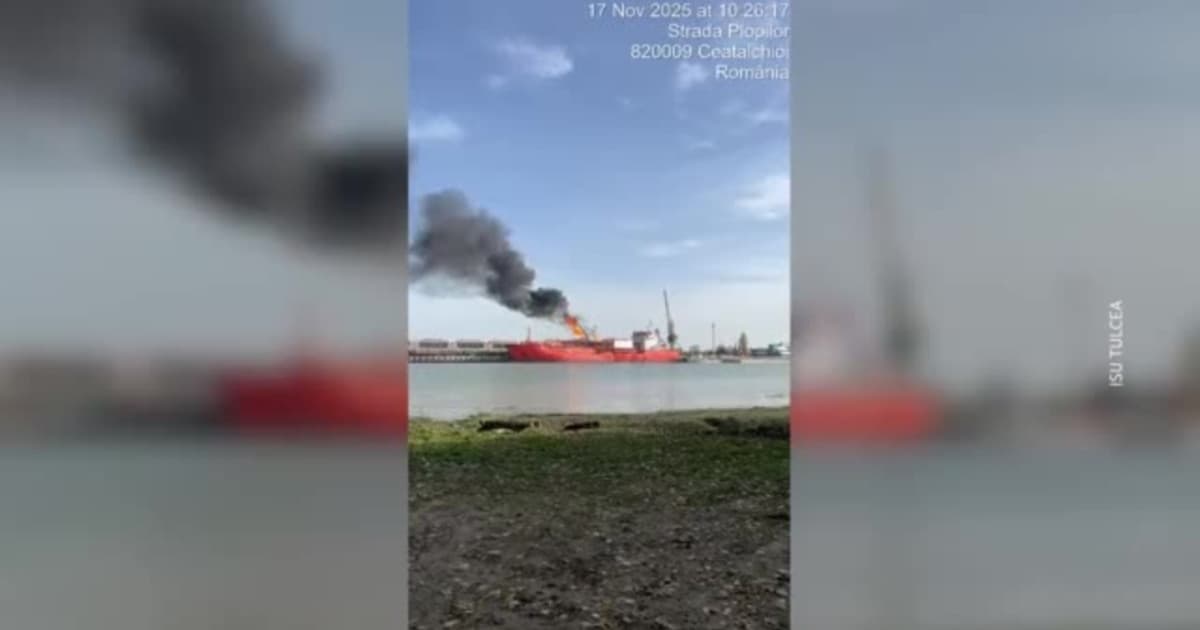
The core facts extracted involve the Romanian evacuation of Plauru village following a drone strike on an LPG ship in Ukrainian waters along the Danube, detection of aerial targets near Tulcea County by Romanian Defense radar, and NATO's responding Eastern Sentry air defense initiative.
Direct stakeholders include Romanian residents, Ukrainian port operators, Romanian emergency services, NATO forces, and EU defense bodies, while peripheral groups involve surrounding communities and broader regional security interests.
The immediate impact includes population displacement and heightened military alertness, disrupting local stability and transport along the Danube.
Historically, this mirrors prior Russian strikes on Ukrainian infrastructure and NATO's incremental air defense expansions seen during the 2014 Crimea crisis.
Moving forward, optimistic prospects involve enhanced drone detection tech and multinational defense collaboration, whereas risks pertain to escalation in unmanned aerial attacks and cross-border tensions.
From a regulatory authority standpoint, recommendations prioritize (1) rapid development and deployment of integrated drone detection systems, (2) strengthening cross-border emergency communication protocols, and (3) increasing public awareness campaigns on evacuation procedures.
These prioritize high-impact security improvements balanced against feasible implementation timelines, ensuring both immediate and sustained protective capacity in the region.