Content
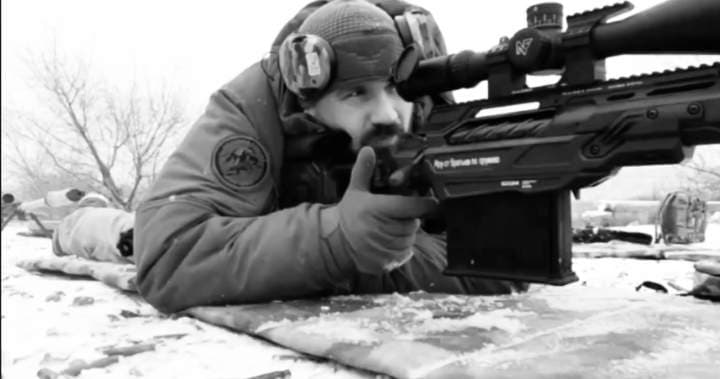
A decorated Russian sniper major, credited with 100 kills in Ukraine, has been spotted using a Canadian-made rifle, raising concerns over how such weapons are ending up in Russian hands despite sanctions. The rifle in question is manufactured by Cadex Defence, a company based near Montreal, which has publicly stated it does not export to Russia. Yet, photos and videos on Russian social media platforms show multiple Russian snipers and even pro-Russia volunteer units wielding these high-precision firearms. One notable figure, a Russian Marine known as Yary, who led a sniper brigade responsible for hundreds of casualties in Ukraine, has been seen using a Cadex rifle, as have other sharpshooters connected to the ongoing conflict.
The presence of these rifles in Russia is puzzling. Canadian officials and Cadex Defence suspect that some of these weapons were captured on the battlefield, possibly originating from shipments intended for Ukraine or its allies. Indeed, images have surfaced showing Ukrainian forces with Cadex rifles, and Russian fighters holding what are described as captured models. However, the discovery of brand-new Cadex rifles displayed at a Moscow gun show and offered for sale by Russian dealers with product tags intact points to more complex smuggling or diversion tactics.
Cadex Defence’s president, Serge Dextraze, expressed frustration and concern upon learning about the rifles in Russia. His company has taken measures to blacklist suspicious purchasers, including a U.S. buyer linked to a batch of rifles found in Russian customs records. He suspects that these rifles were bought and sold multiple times through various intermediaries before reaching Russia, highlighting the difficulties in tracking and controlling the flow of arms once they leave authorized channels. Dextraze emphasized that Cadex strictly adheres to federal export regulations and has refused sales to countries where the rifles might fall into undesirable hands.
Experts like exiled Russian journalist Sergey Panov corroborate that while Cadex rifles are present, they are less widespread than American and European firearms among Russian snipers. These foreign-made rifles are particularly prized by Russian special forces for their accuracy, contrasting with the lower-quality Russian-made firearms used by regular military units. The rifles’ reputation as the “Mercedes-Benz” of sniper equipment only adds to their desirability.
The issue extends beyond Cadex. Many firearms companies worldwide face challenges preventing their products from ending up in sanctioned regions despite official export bans. The complexity of global arms trafficking, combined with porous borders and active black markets, means enforcing these controls is an uphill battle. Canadian advocacy groups have called for stronger enforcement and better resource allocation to close the loopholes enabling such sanctions evasion.
For those who fled Russia or support Ukraine, seeing Canadian rifles used against Ukrainian forces is deeply distressing. Activists and the Ukrainian Canadian Congress have urged the Canadian government to investigate these breaches thoroughly and enhance sanctions enforcement. Meanwhile, companies like Cadex continue working with law enforcement and exploring new ways to prevent unauthorized sales, though they acknowledge that determined actors often find ways to circumvent restrictions. The continuing flow of foreign-made precision rifles into the conflict zone underscores the challenges faced by governments and manufacturers alike in controlling arms proliferation during complex geopolitical conflicts.