
Stereoelectroencephalography Reveals Neural Signatures of Multisensory Integration in the Human Superior Temporal Sulcus during Audiovisual Speech Perception
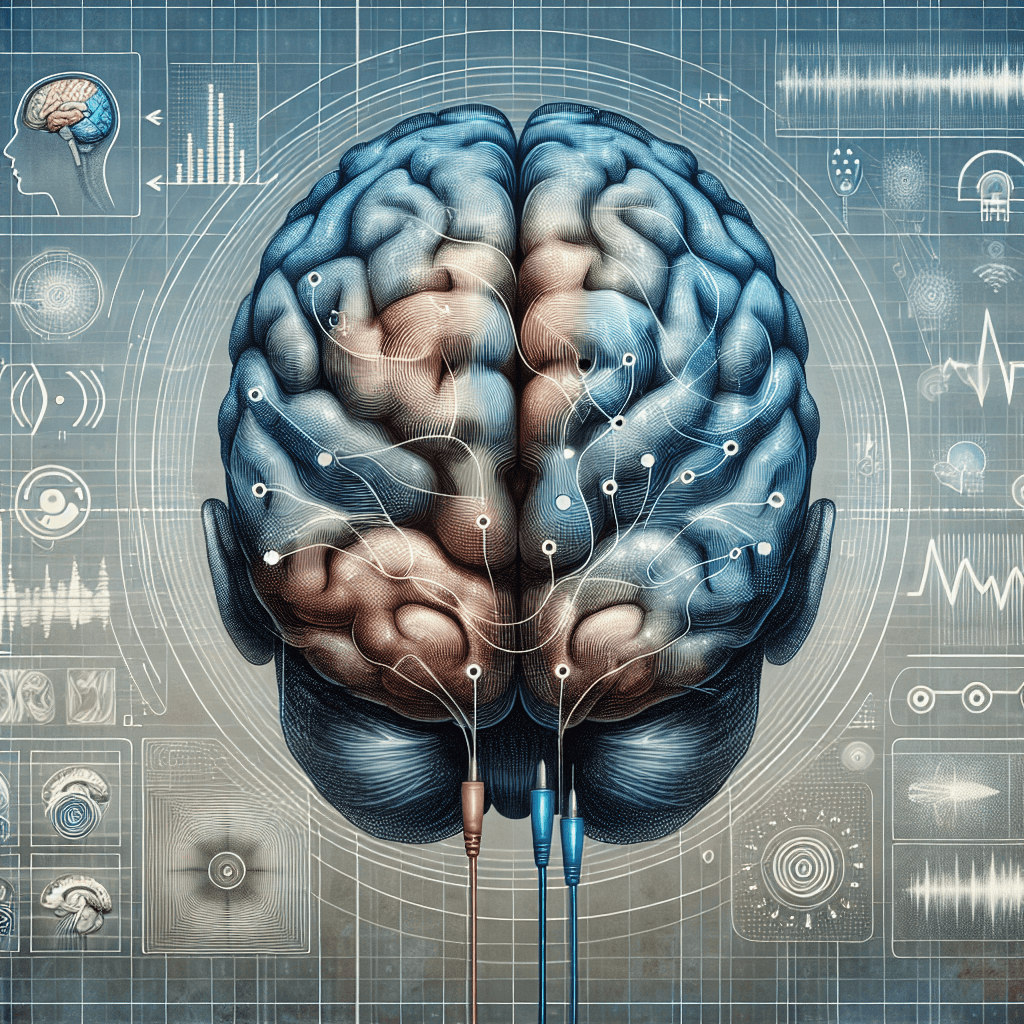
Content
Key Insights
This study, conducted in 2025 with a cohort of 42 epilepsy patients in a clinical neurophysiological setting, elucidates key neural mechanisms of multisensory speech perception in the human superior temporal cortex.
Central facts include the identification of distinct response latencies for auditory and visual speech signals in the STG and STS, the significant multisensory enhancement observed exclusively in the upper bank of the STS, and the novel finding of faster audiovisual processing in the STS compared to the STG.
Direct stakeholders include individuals with speech perception difficulties and neuroscientists studying cortical sensory integration, while peripheral groups such as audiologists and speech therapists may be indirectly impacted.
Immediate impacts manifest as improved understanding of temporal dynamics in speech processing and potential innovations in clinical approaches to auditory-visual communication deficits.
Historically, this work parallels advances from early invasive recordings in epilepsy patients and fMRI studies of sensory integration, extending temporal resolution significantly.
Looking ahead, optimistic scenarios envision enhanced neuroprosthetic speech devices and targeted therapies exploiting STS function, whereas risk scenarios emphasize the challenges of translating intracranial findings to broader populations.
From a regulatory perspective, recommendations include prioritizing standardized protocols for sEEG in speech research, fostering interdisciplinary collaborations to integrate electrophysiological and imaging data, and promoting ethical frameworks for invasive neural recordings.
These proposals balance feasibility with the promise of advancing diagnostic and rehabilitative capabilities in speech perception disorders.