Content
In 1983, a tragic and mysterious case unfolded in Blaine, Minnesota, when a newborn baby girl was found dead on the side of a busy road. The infant was barely a day old, her small body discovered by a passerby who promptly alerted the authorities. The baby's identity was unknown, as were her parents, leaving the community with more questions than answers. The local government arranged a pauper's burial for the child, but she was given no name. It was a local anti-abortion group that stepped in, deciding to organize a funeral and cover burial expenses. They named her Rachel Marie Doe, and in doing so, she became a symbol within the anti-abortion movement.
The circumstances surrounding the baby's death remained unclear for decades. Official reports initially suggested that the infant might have been struck by a vehicle after being abandoned, but an autopsy couldn't conclusively determine if she was alive or deceased when left on the road. The child’s mother was a teenage girl who had given birth alone and kept the pregnancy a secret from everyone, including the father and her family. Overwhelmed and panicked, she left the newborn by the roadside, hoping someone would find her, and vowed never to speak of it again. This secret was kept for 42 years, until recent advances in DNA technology enabled investigators to identify and locate the parents through the Anoka County Sheriff’s Cold Case Homicide Unit.
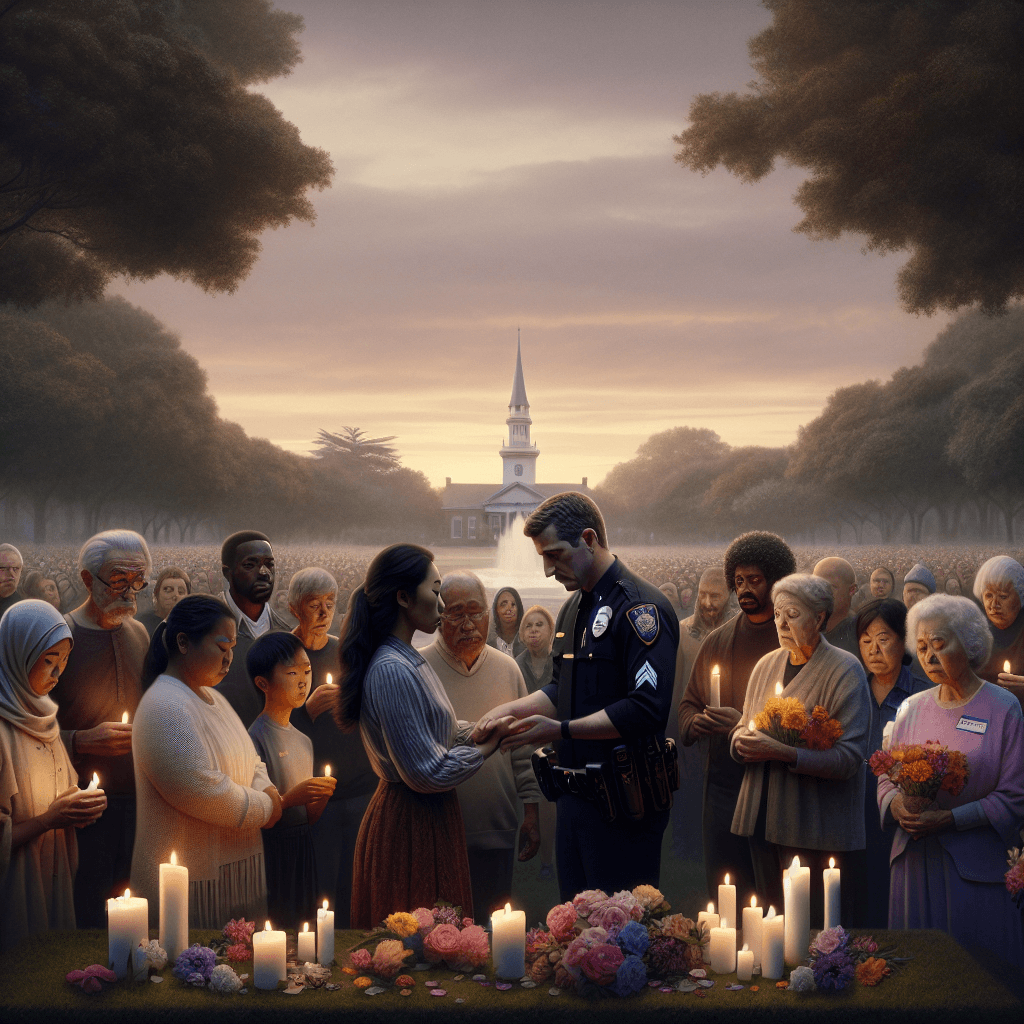
The funeral for Rachel Marie Doe was held on January 28, 1983, at the Church of the Epiphany in Coon Rapids, Minnesota. It was attended by more than 500 mourners, many of whom had never met the child but felt compelled to honor her life. The anti-abortion group, led by Mary Ann Kuharski, provided the burial arrangements, including a tiny white-and-yellow lace gown and a bonnet, all items connected to Kuharski’s own family. A single red rose, a symbol of the anti-abortion movement, was placed on the casket, and many attendees wore embroidered roses. Kuharski’s daughter even recited a prayer she had composed for the infant, emphasizing the sanctity of life regardless of circumstances.
The funeral was not without controversy. Some critics accused the anti-abortion advocates of politicizing the child's death to further their cause, arguing that the event was used to make a symbolic statement against abortion rights. Yet, the officiating priest, Reverend Bernard Reiser, highlighted that the service was meant to mourn the loss of life without casting judgment. A year after the funeral, a large stone monument featuring a statue of Jesus holding two children was installed at Rachel’s gravesite, funded mostly by Reiser himself. The monument carried an inscription commemorating babies "born and unborn" who had died due to abortion-related neglect, underlining the event’s political undertones.
Decades after Rachel Marie Doe's burial, the mystery surrounding her origins has finally been unraveled thanks to modern forensic methods. DNA technology led investigators to her teenage mother and the father, both of whom were interviewed but not charged with any crimes. Authorities concluded that the interest of justice was served without filing charges and emphasized respecting the family’s privacy. The case, once a symbol of tragedy and political debate, has now moved into a chapter of closure and understanding, highlighting both the advances in forensic science and the enduring complexities of human stories behind such cases.