
The biblical assassination that predated the death of Yitzhak Rabin - The Jewish Chronicle
Content
Key Insights
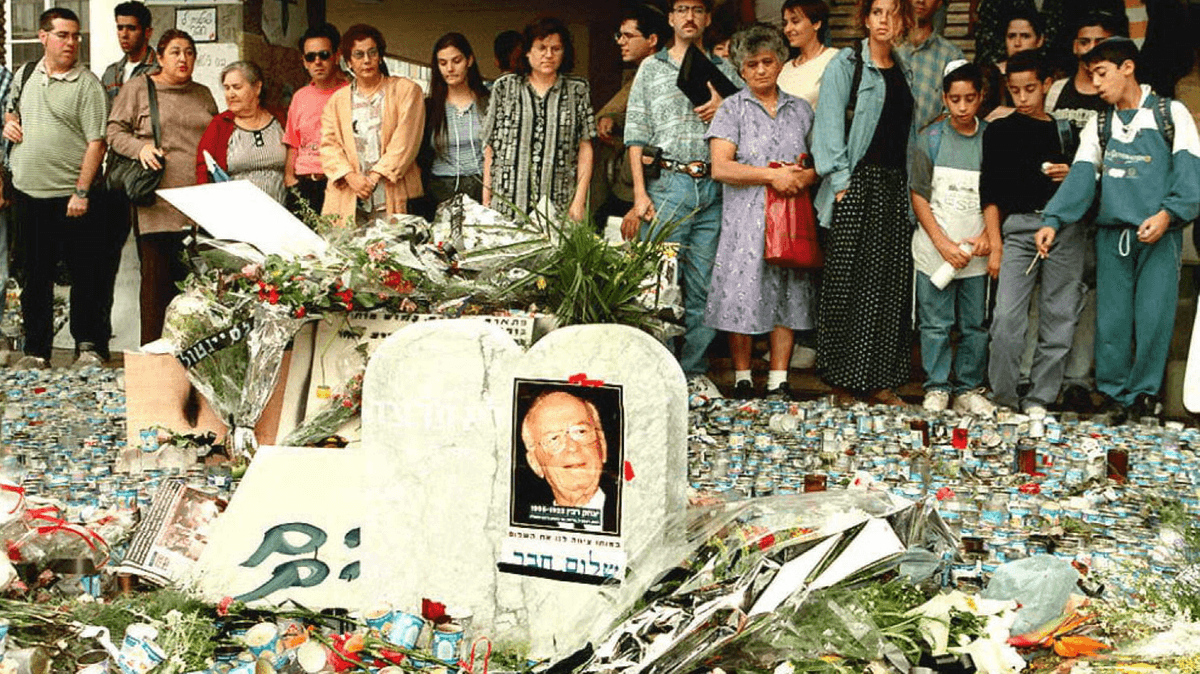
The assassination of Yitzhak Rabin on November 4, 1995, in Tel Aviv stands as a pivotal event marked by the intersection of political conflict and religious extremism.
Key facts include the timing (30 years ago), location (Israel), and the central figures involved: Rabin, Yigal Amir, and the Oslo Accords with Yasser Arafat.
The primary stakeholders comprise Israeli society, political factions divided over peace, and religious communities, while secondary effects rippled through regional stability and international diplomacy.
Immediately, Rabin’s death intensified political polarization and heightened security concerns.
Historically, parallels are drawn with the assassinations preceding the destruction of the First and Second Temples, underscoring recurring themes of internal discord and fanaticism.
Looking ahead, optimistic futures hinge on fostering inclusive political dialogue and combating extremist ideologies, whereas risk scenarios warn of recurring cycles of violence without effective social cohesion.
From a regulatory perspective, priorities include enhancing security protocols for public figures, promoting educational programs on the dangers of political extremism, and encouraging interfaith initiatives to bridge societal divides.
These measures balance implementation feasibility with significant impact potential, aiming to prevent tragedies akin to Rabin’s assassination while nurturing long-term peace and stability.