
The true story behind James Garfield assassination explored ahead of the release of Netflix’s Death by Lightning
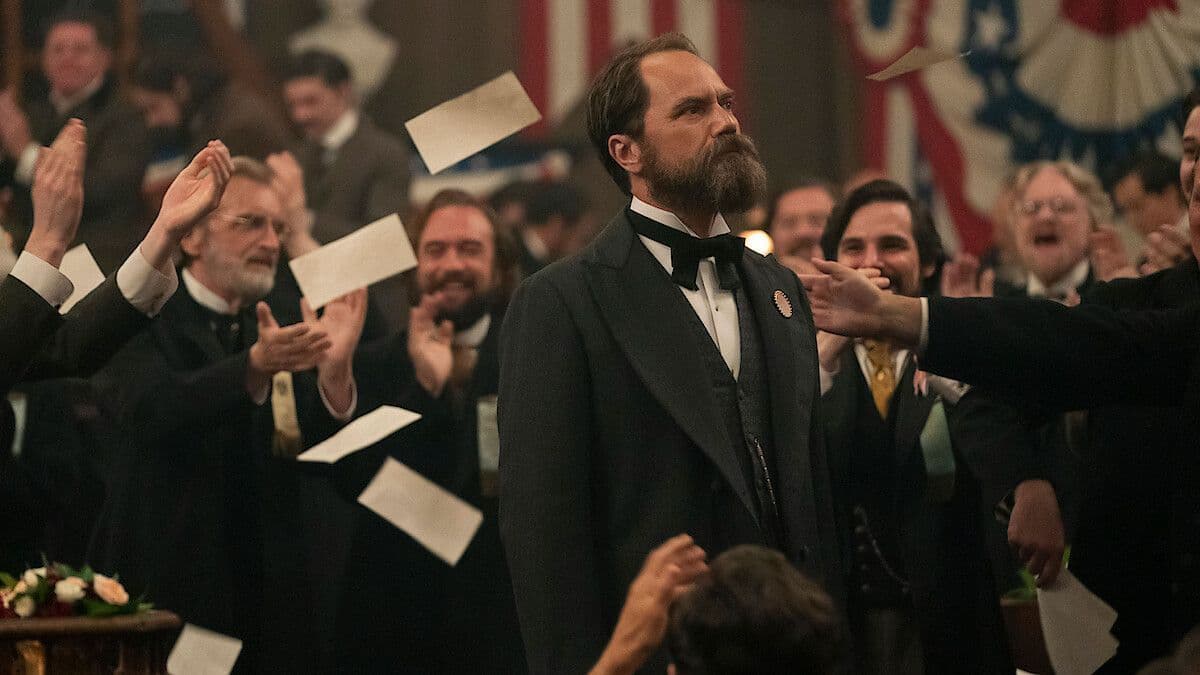
Content
Key Insights
The core facts extracted center on the assassination of President James Garfield by Charles Guiteau at the Baltimore and Potomac Railroad Station on July 2, 1881; Garfield’s subsequent medical struggles and death on September 19, 1881; Guiteau’s trial and execution; and the resulting political reforms, notably the Pendleton Act.
Geographically, the events unfold in Washington, D.C., and Elberon, New Jersey, involving historical figures such as Garfield, Guiteau, Chester A. Arthur, and James G. Blaine.
Direct stakeholders include Garfield’s administration and political opponents, Guiteau, and medical personnel; peripheral groups affected are federal employees and the broader American public impacted by patronage reforms.
Immediate impacts involved national shock and political upheaval, leading to shifts in civil service practices and party dynamics.
Historical parallels can be drawn to the assassination of President Lincoln in 1865, where presidential death triggered major political and societal changes, and to the reform movements that followed.
Future projections suggest opportunities for innovation in secure political processes and public health protocols in crisis scenarios, while risks involve potential for political violence or flawed medical interventions during emergencies.
From a regulatory authority’s viewpoint, recommended actions include instituting stringent medical standards for treating high-profile patients to prevent iatrogenic harm, enhancing security at public transit hubs and political events, and reinforcing civil service meritocracy to diminish patronage-related tensions.
Prioritizing these based on complexity and impact, medical protocol reforms should lead given their direct life-saving potential, followed by security enhancements and civil service reforms, respectively.