Content
When Canva recently announced that Affinity Photo would be relaunched as part of a completely free Affinity Studio suite, the news stirred a wave of mixed emotions among photographers. Many were thrilled by the prospect of accessing a Photoshop-level tool without any cost, but others met the announcement with skepticism. After all, professionals have been used to shelling out hundreds or even thousands for high-end editing software, making it hard to believe such a powerful application could truly remain free indefinitely.
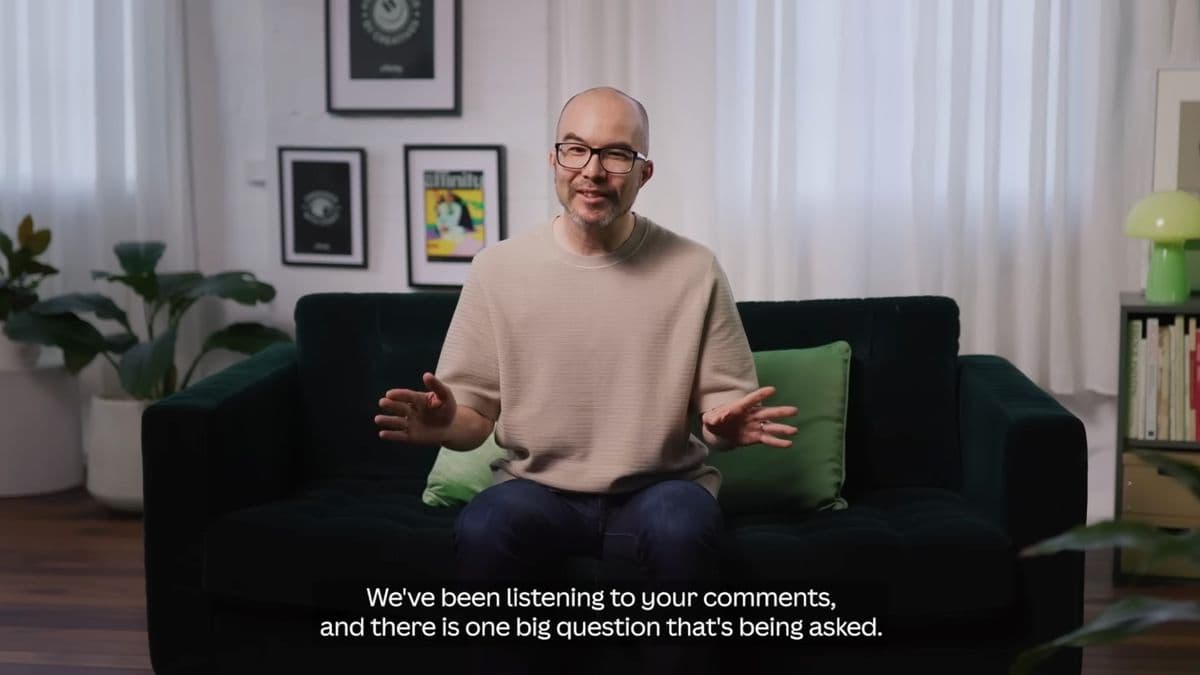
Cameron Adams, Canva's co-founder and chief product officer, addressed these concerns head-on in a YouTube video. He was crystal clear: there’s no hidden agenda. "We don’t sell your data. We don’t use your files to train AI. Your creativity stays yours," he reassured viewers. This bold move marks a significant change in the creative software world. Affinity now bundles what used to be three separate paid apps — Affinity Photo, Designer, and Publisher — into one all-encompassing, free platform. This update offers photographers and designers comprehensive photo editing, vector design, and page layout tools all in one place. The response has been explosive, with over a million downloads within the first week.
So why is Canva giving up the revenue that Affinity once brought in? Adams explains it's a mix of philosophy and strategy. He believes every creator deserves access to quality tools that honor their craft, pushing the industry away from gatekeeping and towards generosity. Importantly, this isn’t a temporary stunt — it’s a long-term commitment to creative freedom. Adams also highlights that the new free model is sustainable because Canva’s wider business thrives on its premium subscription services and enterprise-level collaboration tools.
The business model revolves around what Adams calls a "craft and scale" approach. Professionals create detailed, high-quality content using Affinity’s powerful tools, which then often need to be scaled and managed using Canva’s platform within companies. Essentially, Affinity fuels the creative process, while Canva supports distribution and team collaboration. This flips traditional software economics on its head, where hefty upfront fees were the norm, betting instead that the free offering will increase Canva’s footprint among teams and organizations.
For photographers concerned about privacy and AI, Adams provides clear assurances. Affinity works offline after activation and does not access your files for AI training. Only advanced AI features like Generative Fill or Remove Background require a paid Canva premium account and internet connection. Many photographers who prefer manual editing won’t find this limiting. The interface itself has been redesigned with customizable “studios” for pixel editing, vector designs, and layouts, allowing users to tailor their workspace exactly how they want.
Despite all these positives, Adams knows trust won’t be given freely by a community long loyal to Adobe and wary of AI controversies. He openly invites scrutiny, encouraging photographers to test and challenge Affinity to prove its worth and integrity. For now, the huge download numbers indicate the message is resonating. Whether Affinity can retain these users and convert them into Canva advocates remains to be seen, but the core promise is simple and powerful: high-end creative freedom, genuinely free. It’s a bold move that could reshape how creative software is consumed and valued.
Tom May, who authored the article, brings a wealth of experience in photography and design journalism, adding credibility and insight to the discussion on this seismic shift.