
Travel warning for Lancs train customers after Cumbria derailment | Lancs Live
Content
Key Insights
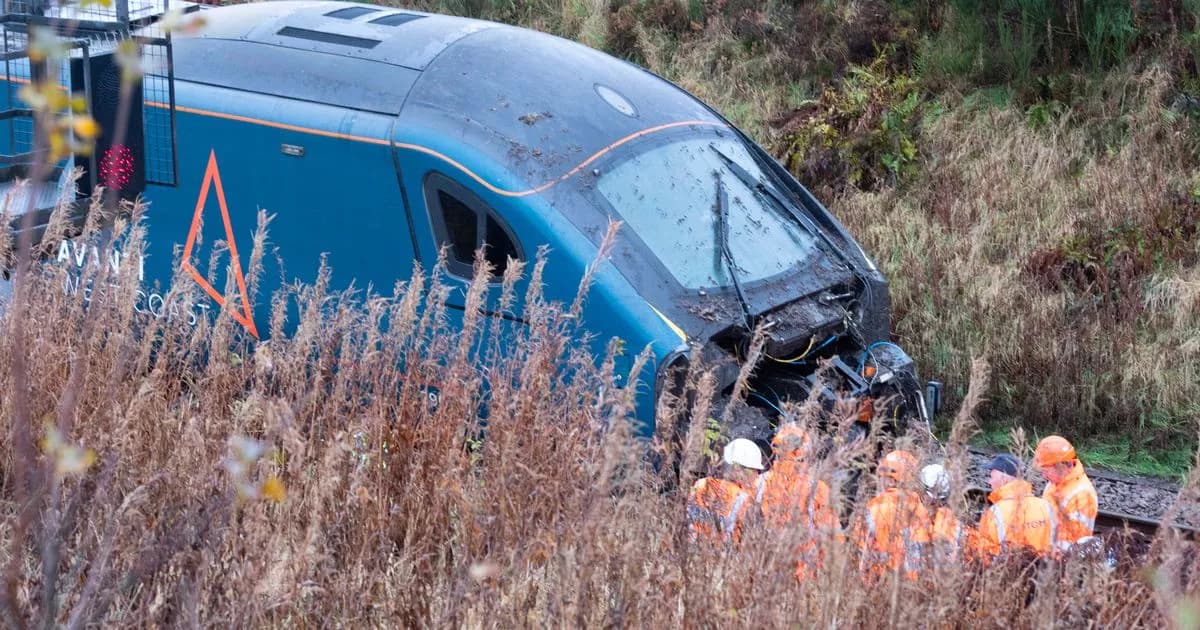
The incident on November 3rd near Shap, Cumbria involved an Avanti West Coast train derailing after hitting a landslide at high speed, affecting 87 passengers and staff.
Immediate stakeholders include the train operator, passengers, emergency responders, and Network Rail, while broader impacts extend to regional commuters and associated transport services.
The event triggered a service suspension north of Preston, disrupting travel across a significant portion of the West Coast Mainline network for several days.
Comparatively, this incident echoes past derailments linked to severe weather and landslides in UK rail history, such as the 2015 Glen Ogle event, where swift emergency response and infrastructure repair were critical.
Looking ahead, advancements in real-time landslide detection and enhanced track monitoring could mitigate similar risks, whereas ongoing extreme weather patterns may increase vulnerability.
From a regulatory standpoint, key recommendations include prioritizing the installation of early warning systems for natural hazards (high impact, moderate complexity), enhancing emergency response coordination protocols (moderate impact, low complexity), and accelerating infrastructure resilience upgrades in landslide-prone areas (high impact, high complexity).
These steps aim to reduce disruption, improve safety, and protect passengers amid increasing climate-related challenges.