
Vietnam flood death toll rises to 35: disaster agency
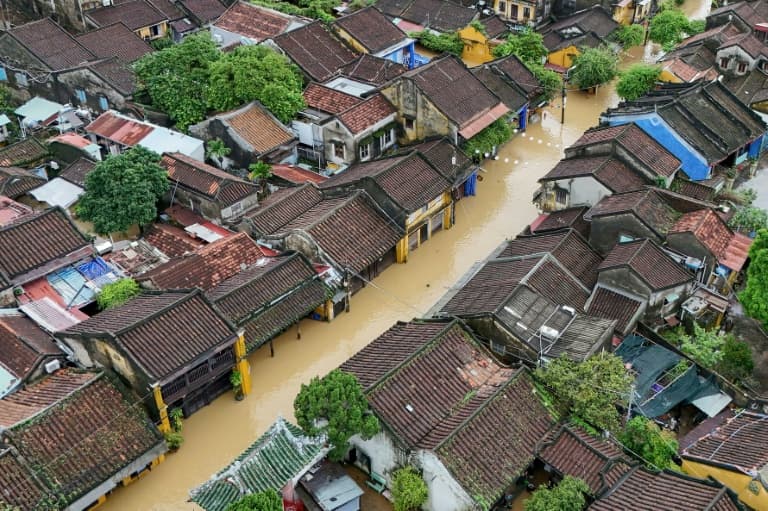
Content
Key Insights
The recent floods in central Vietnam reflect several pivotal facts: record rainfall reaching 1.7 meters within 24 hours, 35 confirmed deaths with five missing, and extensive damage in coastal provinces including Hue, Da Nang, Lam Dong, and Quang Tri.
Key stakeholders include local residents, disaster management authorities, farmers, and the broader agricultural sector, while peripheral groups such as downstream communities and regional economies face secondary impacts.
Immediate consequences show severe humanitarian distress, disrupted livelihoods, and infrastructure collapse, reminiscent of past events like the 2020 Central Vietnam floods which also resulted in high casualties and widespread destruction.
The response then featured emergency rescue and international aid but highlighted gaps in early warning and infrastructure resilience.
Looking forward, optimistic scenarios involve leveraging improved forecasting technologies and investing in resilient infrastructure, whereas risk scenarios point to escalating disaster frequency demanding enhanced mitigation strategies to prevent further loss of life and economic damage.
From a regulatory perspective, three prioritized recommendations are: first, upgrading flood early-warning systems (high impact, moderate complexity); second, implementing stricter land-use policies to reduce vulnerability (moderate impact, high complexity); and third, expanding community-based disaster preparedness programs (moderate impact, low complexity).
These measures collectively aim to bolster Vietnam's capacity to manage and adapt to intensifying climate-driven extreme weather events.