
Vietnam Floods: Death Toll Climbs to 55 | ThaiPost - Archyworldys
Content
Key Insights
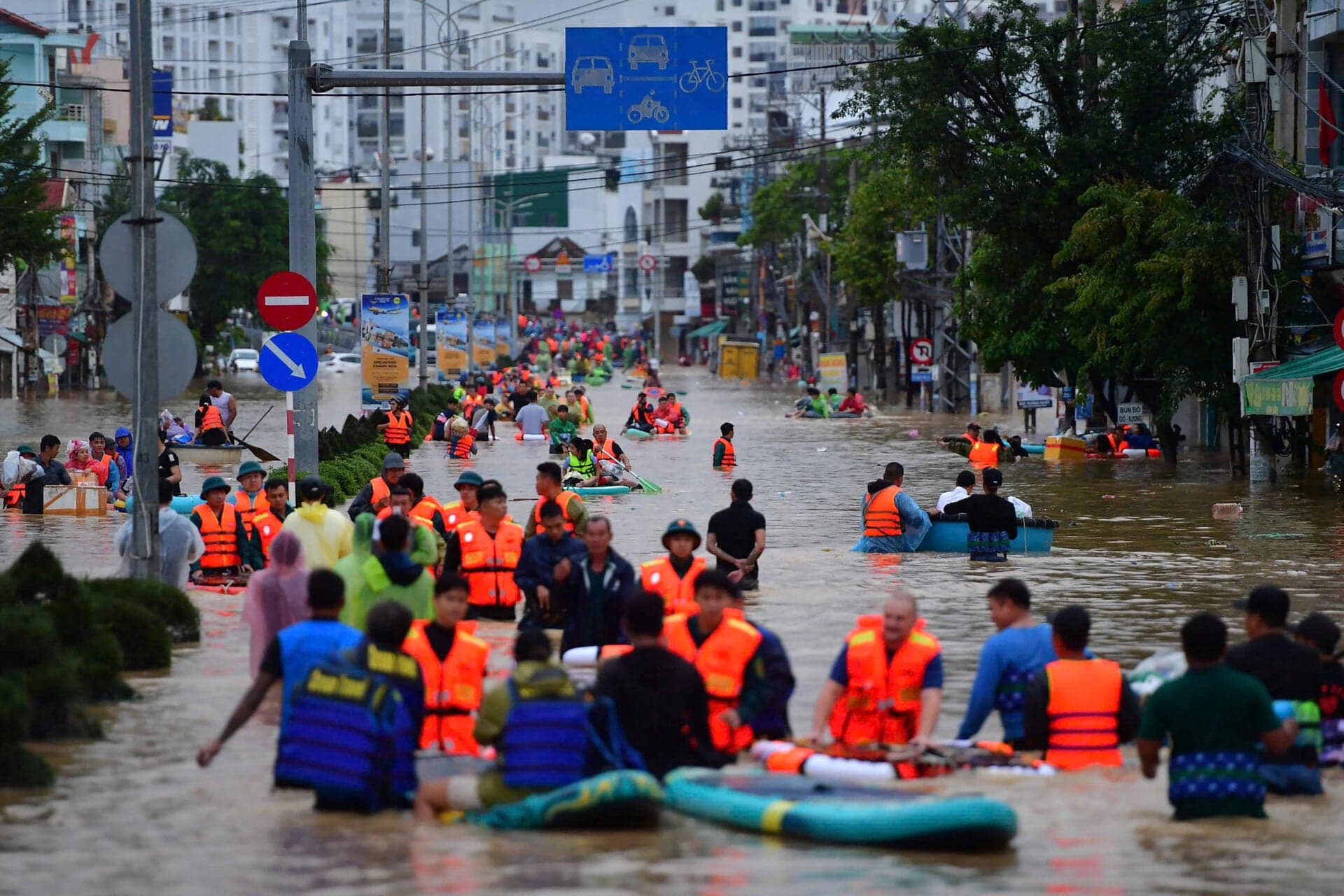
The core facts of this event center on the catastrophic flooding in Vietnam resulting in 55 fatalities, over $2 billion in damages, and more than 50,000 homes submerged, primarily impacting the central highlands and critical infrastructure.
Key stakeholders include local communities, Vietnamese industries such as coffee farming and garment manufacturing, global supply chain participants, and governments at various levels.
Immediate impacts involve mass displacement, disruption of agricultural and manufacturing outputs, and cascading effects on global commodity prices and supply availability.
The 1993 floods in Vietnam serve as a historical parallel, with the current event surpassing that disaster in scale and prompting review of response mechanisms and infrastructure resilience.
Future projections suggest two paths: one optimistic, where technological innovation and international cooperation foster effective climate resilience, and a riskier scenario marked by increased supply chain fragility and economic instability if mitigation fails.
From a regulatory authority perspective, three prioritized recommendations emerge: first, enforce improved infrastructure standards to withstand extreme weather (high priority, medium complexity); second, implement national policies incentivizing sustainable land and urban development (medium priority, high complexity); and third, support deployment of advanced early warning and monitoring technologies (high priority, low complexity).
This analysis highlights verified impacts and stakeholders, balanced against speculative future outcomes, underscoring the imperative for coordinated, forward-looking strategies to safeguard both local populations and global economic networks.