Content
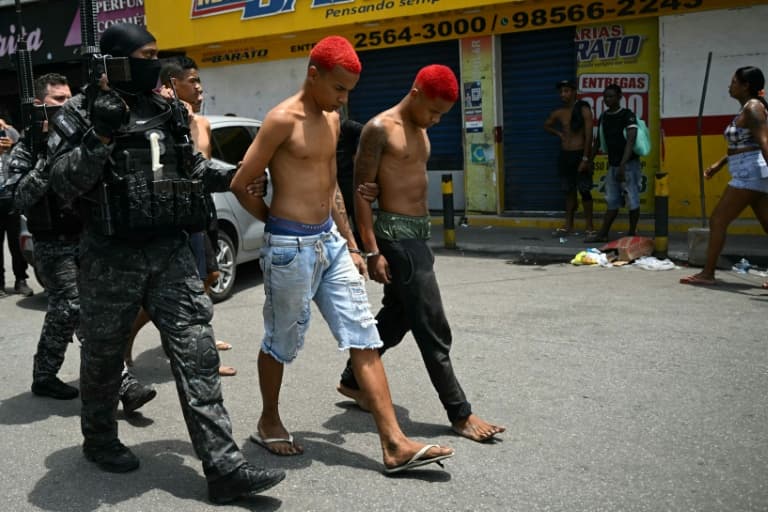
A day after what is being called the deadliest police operation in Brazil's history, the full picture of the raid on Rio de Janeiro's favelas is still coming together. The raid, which targeted the powerful Comando Vermelho gang, resulted in an official death toll of 119, including four police officers. The operation, known as Operation Containment, saw some 2,500 heavily armed officers backed by armored vehicles, helicopters, and drones storm two major strongholds of the gang: the sprawling Alemao and Penha favela complexes. This violent crackdown once again pulled back the curtain on the brutal realities lurking far from Rio's well-known tourist spots.
The Comando Vermelho, Rio’s oldest and most dominant criminal faction, has expanded rapidly in recent years according to authorities. They now control around 20 percent of the metropolitan area and have overtaken the city's militias in terms of territorial dominance. But this battle for control isn’t just about drugs anymore. The group has extended its grip beyond trafficking to seize control over vital services like internet, water, electricity, and transport within the favelas, turning geographic control into steady income streams.
Official data from the Rio state government puts the death toll at 119, while the public defender’s office claims it is higher, counting 132 dead. Alongside the fatalities, 113 people were detained, including 10 minors, and authorities confiscated 91 rifles as well as a large quantity of drugs, though specific details on the seized narcotics remain undisclosed. Governor Claudio Castro, who oversaw the operation, stressed the scale but provided limited information on the haul.
This raid marks Brazil’s most lethal police action to date, surpassing the infamous 1992 Carandiru prison massacre in Sao Paulo, where 111 inmates died during a police intervention. Previous deadly raids in Rio happened recently too: the Jacarezinho raid in 2021 ended with 28 dead, and Vila Cruzeiro in 2022 saw 25 fatalities. Both occurred under the administration of Governor Castro, a known ally of former far-right president Jair Bolsonaro.
Interestingly, the federal government, led by President Lula, was reportedly not informed about the operation. Justice Minister Ricardo Lewandowski confirmed that the state government carried out the raid independently. Lula himself sparked controversy last week during a trip abroad, suggesting drug traffickers are "also victims of the users," a remark he later called "poorly-worded" and clarified that his government remains firm against drug trafficking and organized crime.
Many questions remain unanswered. The identities of the victims haven’t been publicly disclosed, raising doubts about whether those killed were the specific suspects targeted by judicial warrants. The status of those arrested within the gang's hierarchy is also unclear. Brazilian media noted the arrest of Thiago do Nascimento Mendes, reportedly a lieutenant under local gang leader Edgard Alves de Andrade, who managed to evade capture.
Residents in the affected favelas accused police of carrying out "executions," prompting Brazil's prosecutor’s office to demand details from Governor Castro to investigate if the officers acted within legal bounds. The United Nations Secretary-General Antonio Guterres also called for an "immediate investigation" into the incident, highlighting the international concern over the operation’s conduct and consequences.