
Why You Should Think Twice Before Buying Influencer-Recommended Products Online
Published: April 16, 2026 at 05:50 PM
News Article
influencers
social-media
mass-media
arts
-culture
-entertainment-and-media
online-shopping
Content
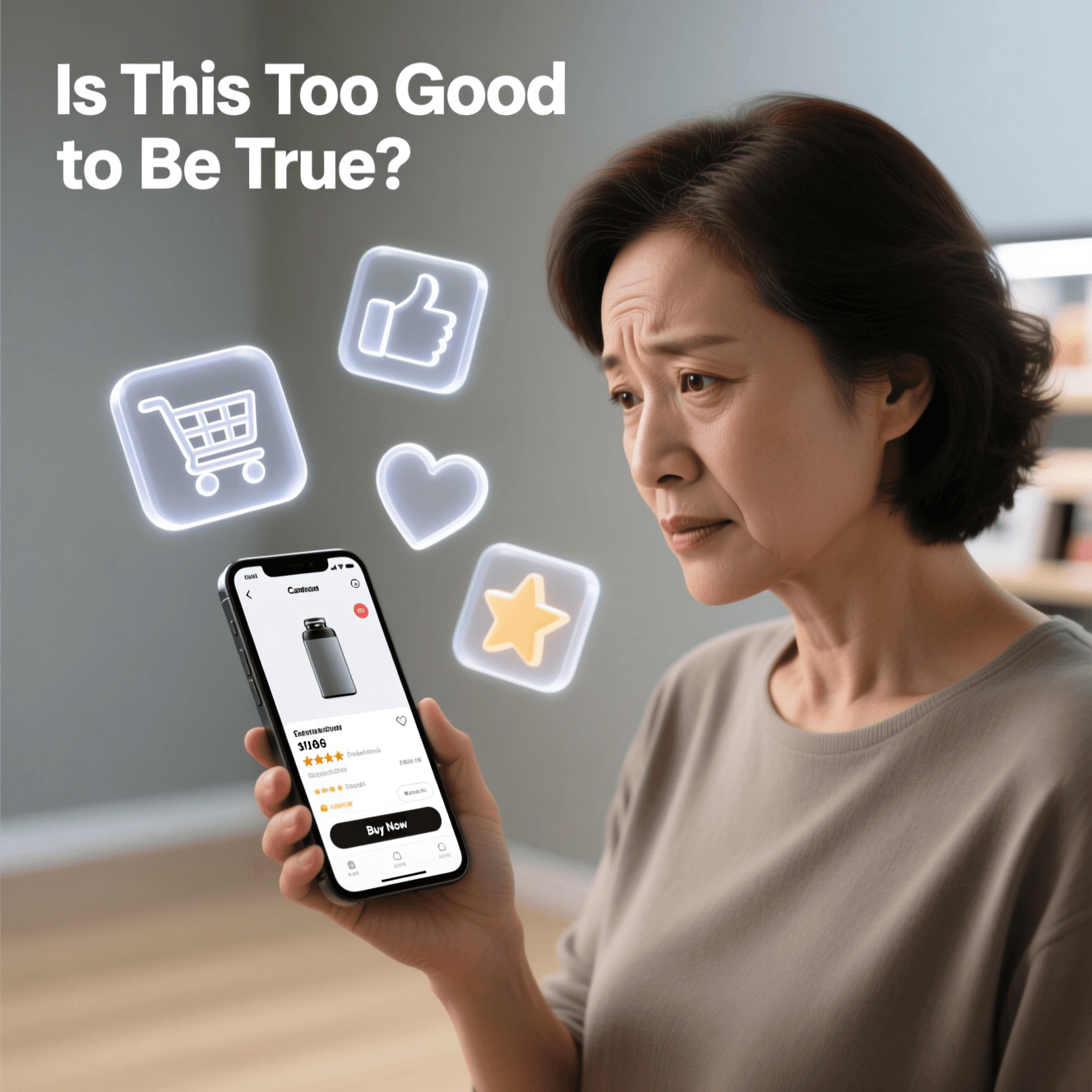
Consumers are increasingly encountering discrepancies between products promoted by social media creators and the items they actually receive, raising concerns about quality and value in the digital marketplace. Across beauty, technology, and automotive sectors, shoppers report finding that influencer-driven recommendations often function more like advertisements than trusted advice. This trend is largely driven by the rise of dropshipping and white-label e-commerce brands, where inexpensive mass-produced items are marketed online as premium innovations at significantly higher prices.
Companies frequently build polished online storefronts to source low-cost goods from overseas wholesale platforms without handling inventory themselves. Consequently, quality control is often minimal or nonexistent, leading consumers to pay premium prices based on convincing social media presentations rather than product substance. Modern creator content operates like miniature production studios, utilizing controlled lighting, editing software, and subtle filters that enhance how products appear on camera. These techniques can make basic cosmetics or plastic accessories look comparable to high-end brands, blurring the line between sponsored promotions and genuine recommendations.
Regulatory bodies in Canada and the United States require influencers to disclose paid partnerships, yet enforcement struggles to keep pace with the rapid growth of social commerce. Some creators place disclosures in hard-to-notice locations or omit them altogether, making promotions appear more authentic than they actually are. Additionally, purchasing from unfamiliar online storefronts linked through social media carries practical risks, including unreliable return policies and potential exposure to privacy and billing threats on poorly verified sites.
Experts advise consumers to approach recommendations with the same caution used when evaluating any advertisement. Tools such as reverse image searches can reveal whether a product appears elsewhere online at dramatically lower prices, while checking business contact information helps determine if a seller operates locally or internationally. Recognizing that influencer promotions are part of a coordinated marketing ecosystem allows shoppers to make more informed decisions before clicking the buy button.
Key Insights
The primary takeaway is that influencer content functions primarily as a marketing ecosystem rather than independent product verification.
This shift creates financial risks for consumers who may pay inflated prices for mass-produced goods lacking quality assurance.
While regulatory frameworks exist to mandate disclosure, the speed of social commerce growth currently outpaces effective enforcement mechanisms.
Future market stability depends on increased transparency standards and stricter accountability for undisclosed paid placements.