
Widespread myth busted after car destroyed in Aussie driveway: 'Very uncommon'
Content
Key Insights
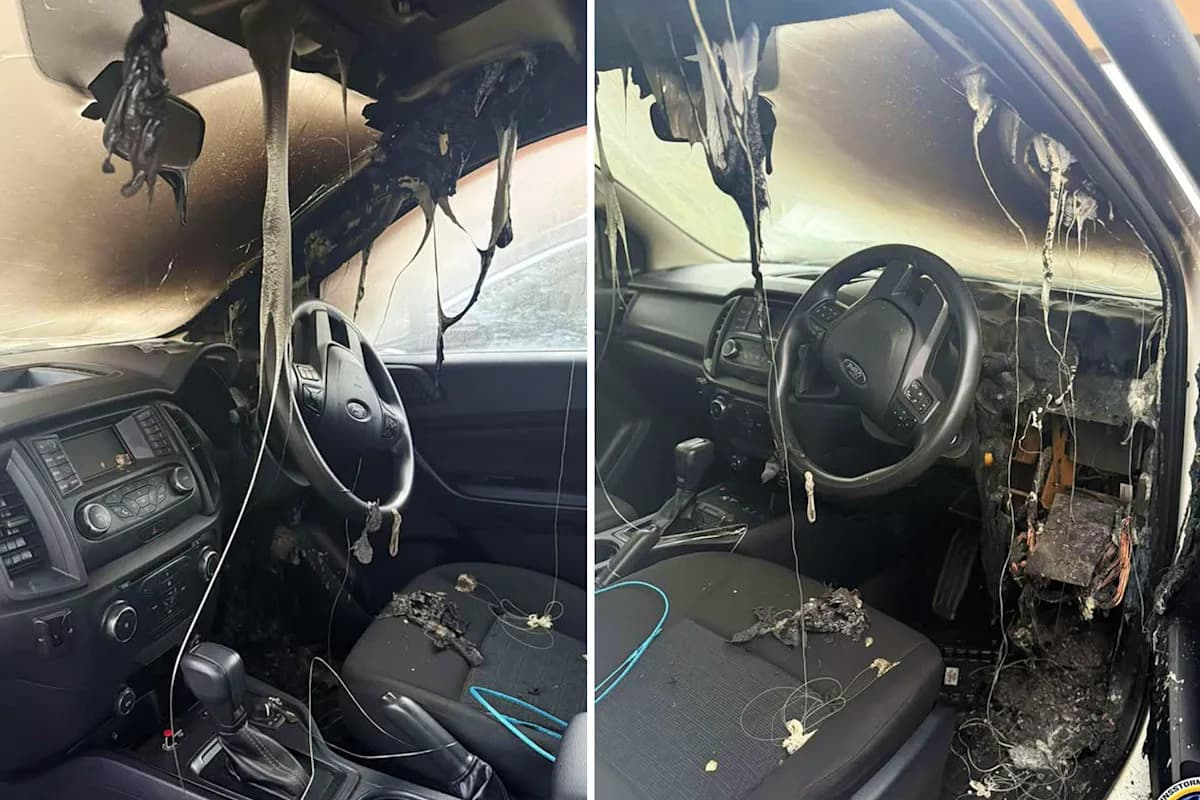
Key facts extracted include the lightning strike on a Ford Ranger in Upper Coomera causing extensive vehicle damage without injuries, the debunking of the myth that rubber tyres insulate cars from lightning, and the severe storms with hail and power outages affecting southeast Queensland.
Primary stakeholders are the vehicle owner, Queensland emergency services, and storm-affected residents, while insurers and local infrastructure providers face secondary impacts.
Immediate consequences involve property damage, medical treatments for hail injuries, and service disruptions.
Comparatively, this recalls past Queensland storms with similar weather patterns causing widespread damage and safety warnings, emphasizing the persistent threat of severe weather.
Future outlooks suggest improved storm prediction and vehicle safety measures could reduce harm, but risks remain due to climate variability, necessitating proactive public safety campaigns.
Recommendations for regulatory bodies include enhancing public lightning safety education (high priority, moderate complexity), mandating vehicle design improvements for electrical storm resilience (medium priority, high complexity), and upgrading emergency response protocols in storm-prone areas (high priority, low complexity).
These actions aim to mitigate risks and improve community preparedness amid increasing storm severity.