
Windows 11's October update causes a serious recovery mode glitch - but there's a workaround
Content
Key Insights
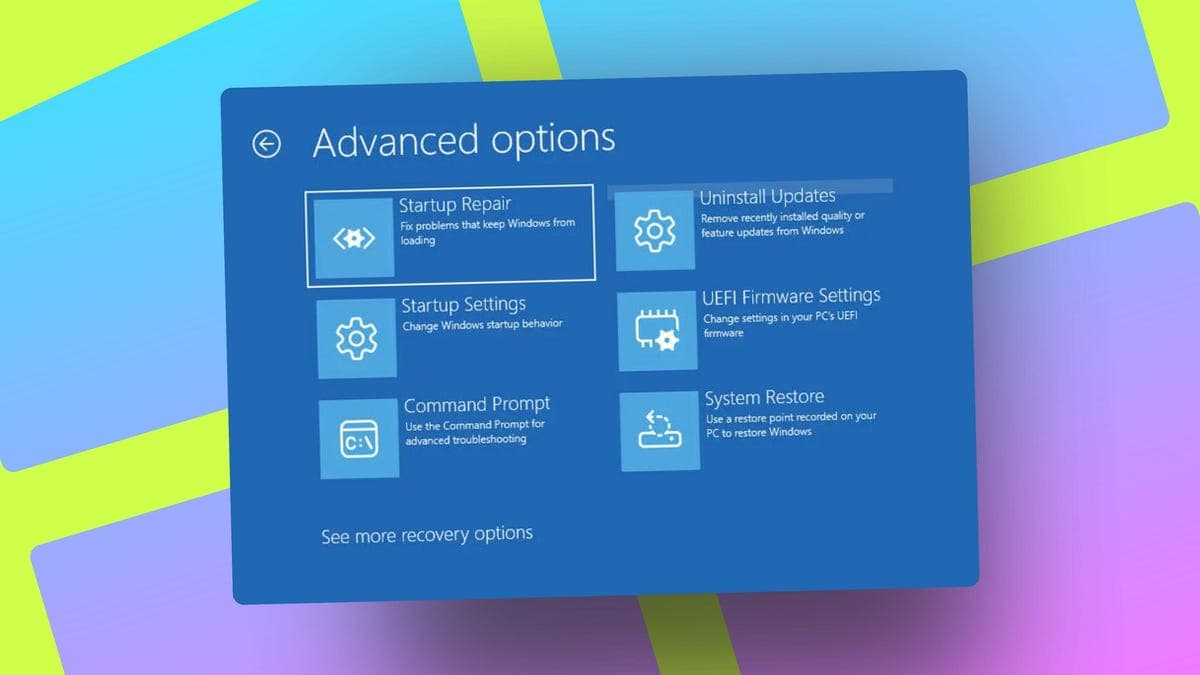
The October 14, 2025 Windows 11 update (KB5066835) introduced a critical malfunction affecting USB device functionality within the Windows Recovery Environment (WinRE), impacting both Windows 11 24H2 and 25H2 as well as Windows Server 2025.
Primary stakeholders include Microsoft as the software provider, end users relying on WinRE for system recovery, IT administrators managing enterprise environments, and peripheral hardware manufacturers.
Secondary groups potentially impacted include service centers and support personnel who facilitate troubleshooting and repairs.
Immediate consequences manifest as impaired navigation in WinRE due to non-responsive USB input devices, disrupting recovery workflows and potentially delaying system restoration.
Historically, similar post-update glitches occurred during the Windows 10 Anniversary Update in 2016, where system recovery tools experienced temporary dysfunction, prompting rapid hotfix deployment.
Comparatively, Microsoft’s typical response involves issuing targeted patches complemented by interim user workarounds such as device substitution or update rollback.
Future scenarios range from optimistic outcomes where prompt remediation restores full functionality, encouraging innovation in recovery interface resilience, to risk scenarios involving prolonged recovery impediments affecting user productivity and increasing support costs.
From a technical expert’s perspective, three prioritized recommendations are: first, accelerate the deployment of a dedicated patch to restore USB functionality in WinRE (high significance, moderate complexity); second, enhance update testing protocols to better simulate recovery environment scenarios pre-release (high significance, higher complexity); third, develop alternative input support within WinRE, such as network-based remote control to reduce dependency on physical peripherals (moderate significance, high complexity).
This analysis underscores the necessity for rigorous pre-update validation and robust contingency planning to mitigate emergent post-deployment issues while maintaining system resilience and user confidence.