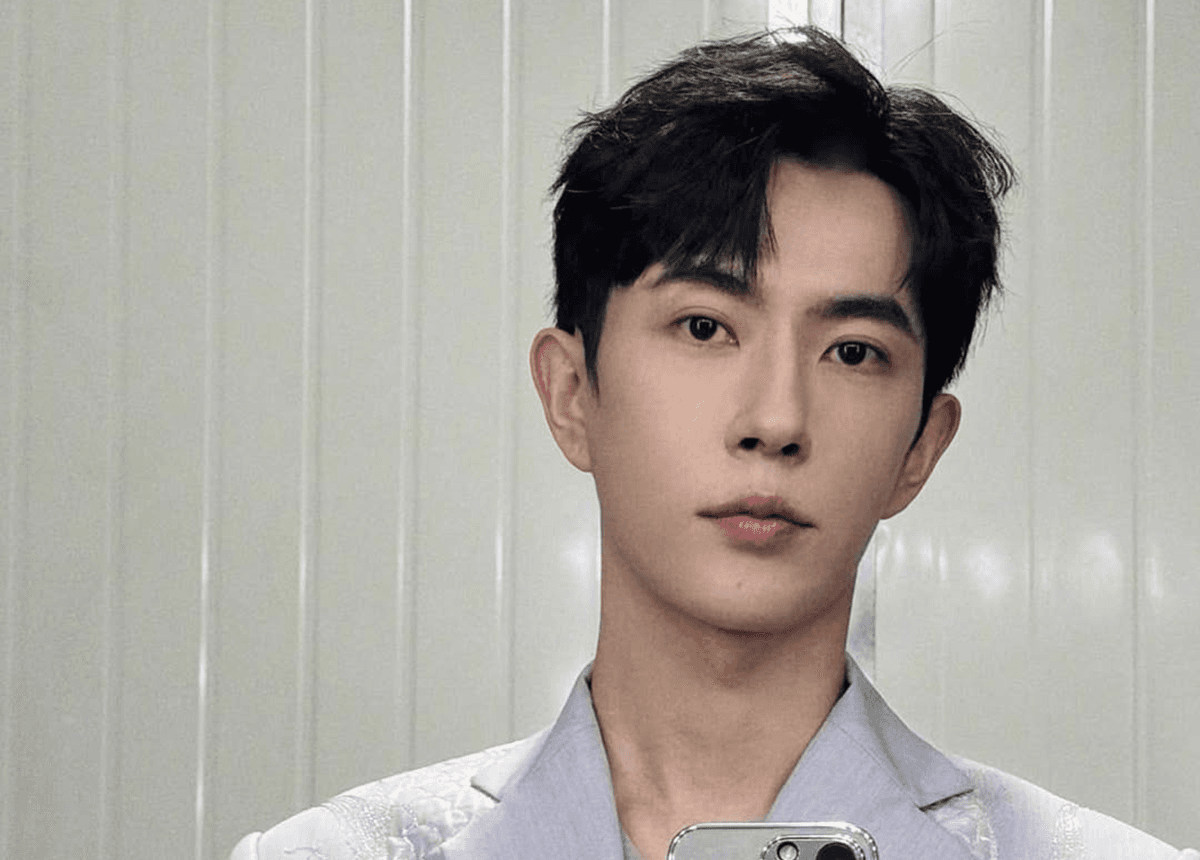
Yu Menglong Death: New Video Fuels Abuse Rumors
Recent developments surrounding Yu Menglong's tragic death have sparked intense speculation about possible abuse prior to his passing. A video that has gone viral on social media suggests that the actor showed visible bruises on his face weeks before he died, though these marks were reportedly hidden under makeup whenever he appeared in public. This new footage, shared by South Korean YouTuber Stephanie Soo on TikTok, has reignited rumors that Yu Menglong may have been physically abused. In the video montage Soo posted, she highlights multiple instances where Yu Menglong's bruises can be seen during various public outings. One notable scene shows him at an airport wearing a black hoodie while accompanied by his manager. During this encounter, a female fan offers him a belated birthday present. Yu appears friendly but noticeably uneasy, wearing a smile that Soo describes as genuine yet strained. The YouTuber points out that the angle of the fan’s filming reveals a bruise around his eye, seemingly concealed by makeup. Adding fuel to the rumors, Soo also observes a tense moment when Menglong’s manager grabs his arm, causing him to flinch as if bracing for a strike. Yu ducks his head in a way that suggests he might be anticipating a slap or punch. Other images dating back to August show similar bruises on his face, reinforcing suspicions of sustained abuse. Soo further notes a sudden change in his demeanor at another event, where he goes from smiling and waving to looking serious and frightened after spotting someone in the crowd, raising questions about who might have caused him such fear. Yu Menglong’s death on September 11, 2025, after falling from a residential building in Beijing, was officially ruled an accident without foul play. However, fans remain unconvinced. A leaked autopsy report circulated online alleges signs of physical trauma including multiple fractures, liver lacerations, and internal bleeding, suggesting possible abuse. These findings align with the speculation that his fall was not a simple accident. Adding to the eerie atmosphere, a video from Chinese actress Tian Hairong has drawn attention. Filmed while she was preparing a drink at an event, eagle-eyed viewers claim to hear disturbing noises in the background, resembling cries of pain. Although the exact time of the recording is unclear, some believe it was taken at an event they both attended the night before Menglong’s death. Fans have interpreted the sounds as Yu Menglong’s cries during torture. Beyond abuse rumors, Yu Menglong’s death has inspired a variety of other theories. Some speculate supernatural causes, such as a "Black death warrant" supposedly allowing him to return to Earth for vengeance. Others believe he was sacrificed in a longevity ritual. Despite official statements, these theories continue to fuel public intrigue and demand for answers. The mystery surrounding Yu Menglong’s final days has deeply affected his fans and the broader entertainment community. Many continue to seek justice and clarity, questioning the circumstances that led to the loss of the beloved actor. As investigations remain inconclusive, the combination of leaked evidence, eyewitness accounts, and social media commentary keeps the conversation alive, casting a shadow over the official narrative. The core facts center on Yu Menglong’s suspicious bruises weeks before his death, the leaked autopsy indicating severe physical trauma, the official accident ruling, and ongoing fan-led skepticism. The events occurred primarily in Beijing, China, involving Yu Menglong, his manager, fans, and public figures like Stephanie Soo and Tian Hairong. Direct stakeholders include Menglong’s family, management, and fans; indirectly affected groups comprise the entertainment industry and public discourse around celebrity welfare. Immediate impacts include behavioral shifts in Menglong’s public demeanor and intensifying social media activism demanding justice. Historical parallels can be drawn with other celebrity deaths shrouded in abuse rumors, such as the cases of Michael Jackson and Brittany Murphy, where public scrutiny pressured authorities to reexamine circumstances. Future projections range from hopes for improved protections and transparency in the entertainment sector to risks of misinformation and unchecked rumors distorting public understanding. From a regulatory authority standpoint, recommended actions include mandating thorough, transparent investigations into celebrity deaths with accessible autopsy results, enforcing stricter oversight on manager-artist relationships to prevent abuse, and establishing support systems for entertainers facing mental and physical health challenges. Prioritization should first tackle investigative transparency given its critical role in public trust, followed by managerial oversight reforms, and lastly, enhanced welfare programs. This case underscores the delicate balance between verified facts and circulating speculations in shaping public narratives around sensitive incidents.