
Ethical Labyrinth Of Artificial Intelligence: A Legal Analysis In Light Of Deepfakes
As artificial intelligence capabilities advance rapidly, legal experts are highlighting critical gaps in India's legislative response to deepfake technology. A comprehensive analysis indicates that while existing laws offer some protection, they lack specific provisions tailored to the unique challenges posed by synthetic media. The report emphasizes that without targeted regulation, the nation faces escalating risks to individual reputation, democratic processes, and public safety. Deepfake technology utilizes machine learning algorithms, such as Generative Adversarial Networks, to create realistic audio and video content that can superimpose individuals into scenarios they never participated in. While the technology offers legitimate applications in entertainment, education, and accessibility, its potential for misuse is profound. Malicious actors employ these tools for non-consensual pornography, political manipulation, and spreading misinformation that can incite social division or panic among the public. Currently, the legal landscape relies on a patchwork of statutes including the Information Technology Act, 2000, the Bharatiya Nyaya Sanhita, 2023, and the Digital Personal Data Protection Act, 2023. Provisions within these laws address defamation, privacy violations, and cybercrime, yet experts argue they are often gender-biased or insufficiently broad to cover all forms of AI exploitation. For instance, Section 66D of the IT Act addresses cheating by personation, while Article 21 of the Constitution protects the right to privacy established in the Justice KS Puttaswamy judgment. To mitigate these threats, the analysis proposes a multi-pronged approach involving technological tracking and stricter legal enforcement. Recommendations include the enactment of specific legislation governing deepfake production, mandatory licensing for software creators, and the establishment of a Unique Identification Number for synthetic media. Furthermore, there is a call for the Election Commission of India to implement restrictions on deepfake usage during the Model Code of Conduct period to safeguard free and fair elections. The study concludes that balancing innovation with security requires immediate action from administrative agencies and lawmakers. Without coordinated efforts to update penal codes and enforce data protection norms, the proliferation of deceptive content could undermine trust in digital information systems and compromise national stability.
公開日: June 18, 2026 at 09:30 AM
News Article
コンテンツ
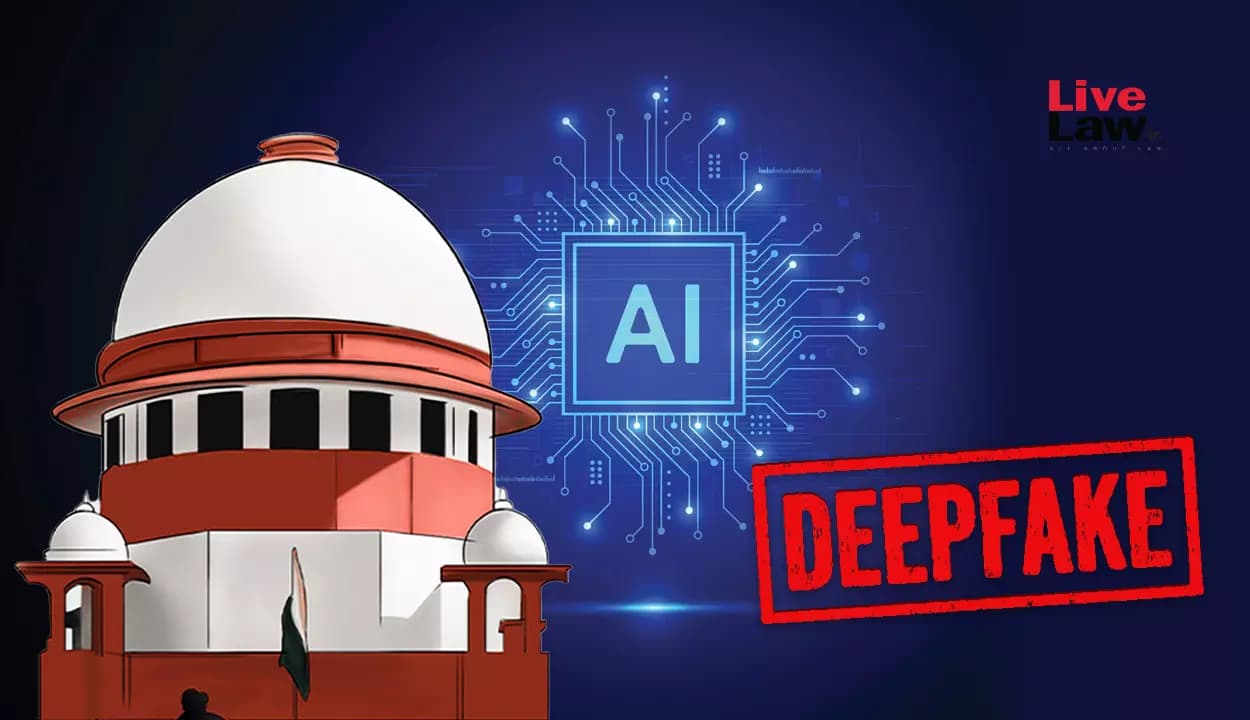
As artificial intelligence capabilities advance rapidly, legal experts are highlighting critical gaps in India's legislative response to deepfake technology. A comprehensive analysis indicates that while existing laws offer some protection, they lack specific provisions tailored to the unique challenges posed by synthetic media. The report emphasizes that without targeted regulation, the nation faces escalating risks to individual reputation, democratic processes, and public safety.
Deepfake technology utilizes machine learning algorithms, such as Generative Adversarial Networks, to create realistic audio and video content that can superimpose individuals into scenarios they never participated in. While the technology offers legitimate applications in entertainment, education, and accessibility, its potential for misuse is profound. Malicious actors employ these tools for non-consensual pornography, political manipulation, and spreading misinformation that can incite social division or panic among the public.
Currently, the legal landscape relies on a patchwork of statutes including the Information Technology Act, 2000, the Bharatiya Nyaya Sanhita, 2023, and the Digital Personal Data Protection Act, 2023. Provisions within these laws address defamation, privacy violations, and cybercrime, yet experts argue they are often gender-biased or insufficiently broad to cover all forms of AI exploitation. For instance, Section 66D of the IT Act addresses cheating by personation, while Article 21 of the Constitution protects the right to privacy established in the Justice KS Puttaswamy judgment.
To mitigate these threats, the analysis proposes a multi-pronged approach involving technological tracking and stricter legal enforcement. Recommendations include the enactment of specific legislation governing deepfake production, mandatory licensing for software creators, and the establishment of a Unique Identification Number for synthetic media. Furthermore, there is a call for the Election Commission of India to implement restrictions on deepfake usage during the Model Code of Conduct period to safeguard free and fair elections.
The study concludes that balancing innovation with security requires immediate action from administrative agencies and lawmakers. Without coordinated efforts to update penal codes and enforce data protection norms, the proliferation of deceptive content could undermine trust in digital information systems and compromise national stability.
編集者のおすすめ
利用可能な製品がありません