
How Artificial Intelligence Is Transforming Online Trading and Market Research
Artificial intelligence has moved from laboratories and large corporations into the hands of ordinary people, fundamentally altering how individuals shop, communicate, and invest. One area where this transformation is particularly visible is online trading, where everyday investors are beginning to leverage machine learning to make sense of markets and execute orders. Simultaneously, the technology is reshaping market research, allowing businesses and individuals to analyze complex data sets without relying on large teams of analysts. Just a few years ago, algorithmic trading was the preserve of hedge funds and high-frequency traders. Today, retail investors are using AI tools to guide their decisions. Surveys conducted in 2026 show that nearly two-thirds of retail investors have used artificial intelligence in some form to inform investment choices. Many of these users rely on advanced language models to summarize company earnings reports and spot trends in financial statements. Others turn to sentiment analysis software to gauge the mood of the market by scanning social media, news articles, and online forums. While research is important, execution is equally crucial. A growing number of platforms now offer automated trading strategies to ordinary investors. These tools range from simple rules, such as investing a fixed amount each month into a diversified portfolio, to more complex algorithms that adjust positions based on market volatility. Industry estimates suggest that AI-driven trading already accounts for a large share of total trading volume and is expanding quickly. Automated strategies can help investors avoid emotional decisions, enforce discipline, and maintain consistent exposure to their chosen assets. One of the most compelling aspects of AI is its ability to process vast amounts of data from diverse sources. Machine learning models can read long regulatory filings and extract key metrics such as revenue growth, profit margins, and debt levels. For business owners and marketers, similar tools can be used to study customer reviews, search trends, and social media chatter to understand brand perception and emerging opportunities. These capabilities enable individuals and small firms to make data-driven decisions without hiring teams of analysts. The benefits of AI come with responsibilities. Automated systems operate at high speed, which can magnify both gains and losses. Models trained on historical data may not adapt quickly to sudden changes or unusual events, and they can inadvertently reinforce market trends if many participants follow similar signals. Regulators around the world are watching these developments and considering how to ensure fair and orderly markets. At the individual level, investors should establish clear rules for when to enter and exit positions and set limits to prevent catastrophic losses. The future of AI in investing and market research will likely be a hybrid model that combines automation with human judgment. As tools become easier to use, adoption will continue to grow. Brokers and financial advisors are adding AI assistants to their platforms, and more apps provide personalized insights into portfolios. At the same time, experienced professionals and savvy amateurs will remain critical. They set investment goals, evaluate qualitative factors, and make decisions that algorithms alone cannot handle. Education will be an essential component of this evolution. Users who understand the strengths and limitations of AI will be better prepared to leverage it effectively.
发布时间: June 7, 2026 at 08:02 AM
News Article
内容
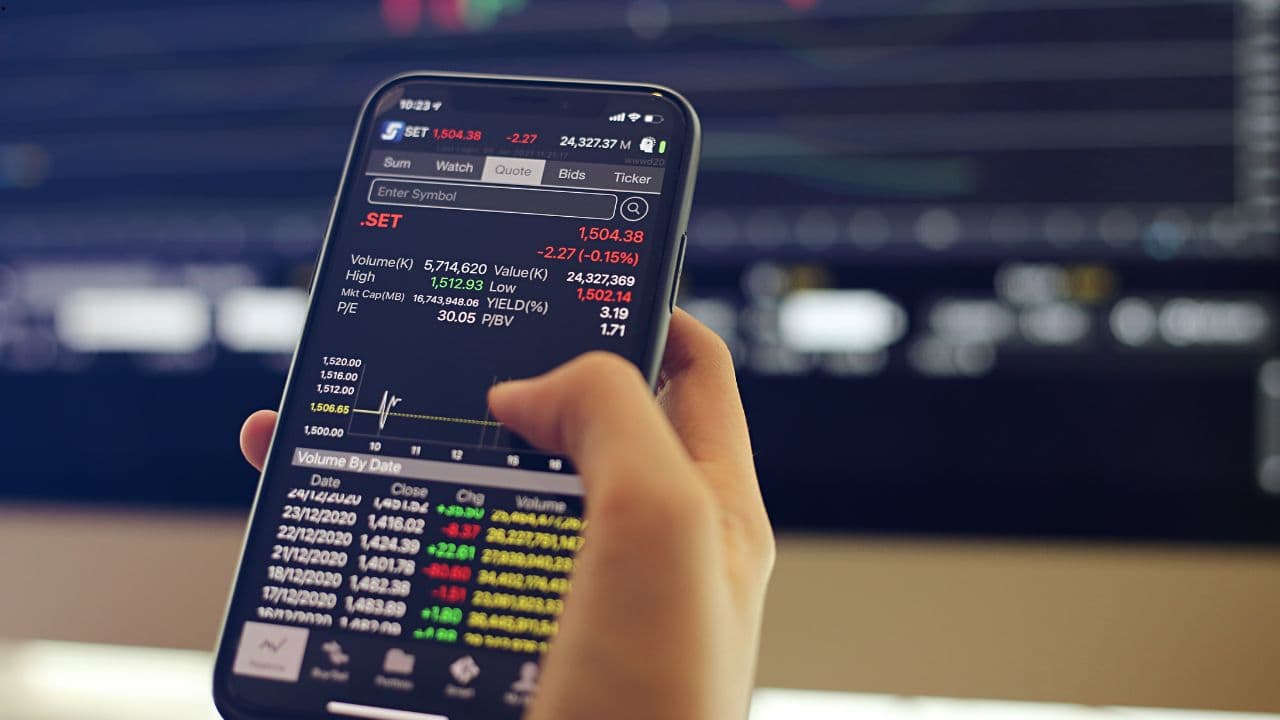
Artificial intelligence has moved from laboratories and large corporations into the hands of ordinary people, fundamentally altering how individuals shop, communicate, and invest. One area where this transformation is particularly visible is online trading, where everyday investors are beginning to leverage machine learning to make sense of markets and execute orders. Simultaneously, the technology is reshaping market research, allowing businesses and individuals to analyze complex data sets without relying on large teams of analysts.
Just a few years ago, algorithmic trading was the preserve of hedge funds and high-frequency traders. Today, retail investors are using AI tools to guide their decisions. Surveys conducted in 2026 show that nearly two-thirds of retail investors have used artificial intelligence in some form to inform investment choices. Many of these users rely on advanced language models to summarize company earnings reports and spot trends in financial statements. Others turn to sentiment analysis software to gauge the mood of the market by scanning social media, news articles, and online forums.
While research is important, execution is equally crucial. A growing number of platforms now offer automated trading strategies to ordinary investors. These tools range from simple rules, such as investing a fixed amount each month into a diversified portfolio, to more complex algorithms that adjust positions based on market volatility. Industry estimates suggest that AI-driven trading already accounts for a large share of total trading volume and is expanding quickly. Automated strategies can help investors avoid emotional decisions, enforce discipline, and maintain consistent exposure to their chosen assets.
One of the most compelling aspects of AI is its ability to process vast amounts of data from diverse sources. Machine learning models can read long regulatory filings and extract key metrics such as revenue growth, profit margins, and debt levels. For business owners and marketers, similar tools can be used to study customer reviews, search trends, and social media chatter to understand brand perception and emerging opportunities. These capabilities enable individuals and small firms to make data-driven decisions without hiring teams of analysts.
The benefits of AI come with responsibilities. Automated systems operate at high speed, which can magnify both gains and losses. Models trained on historical data may not adapt quickly to sudden changes or unusual events, and they can inadvertently reinforce market trends if many participants follow similar signals. Regulators around the world are watching these developments and considering how to ensure fair and orderly markets. At the individual level, investors should establish clear rules for when to enter and exit positions and set limits to prevent catastrophic losses.
The future of AI in investing and market research will likely be a hybrid model that combines automation with human judgment. As tools become easier to use, adoption will continue to grow. Brokers and financial advisors are adding AI assistants to their platforms, and more apps provide personalized insights into portfolios. At the same time, experienced professionals and savvy amateurs will remain critical. They set investment goals, evaluate qualitative factors, and make decisions that algorithms alone cannot handle. Education will be an essential component of this evolution. Users who understand the strengths and limitations of AI will be better prepared to leverage it effectively.
编辑推荐
没有可用产品