Best 13 Disease Management Software products
What is Disease Management Software?
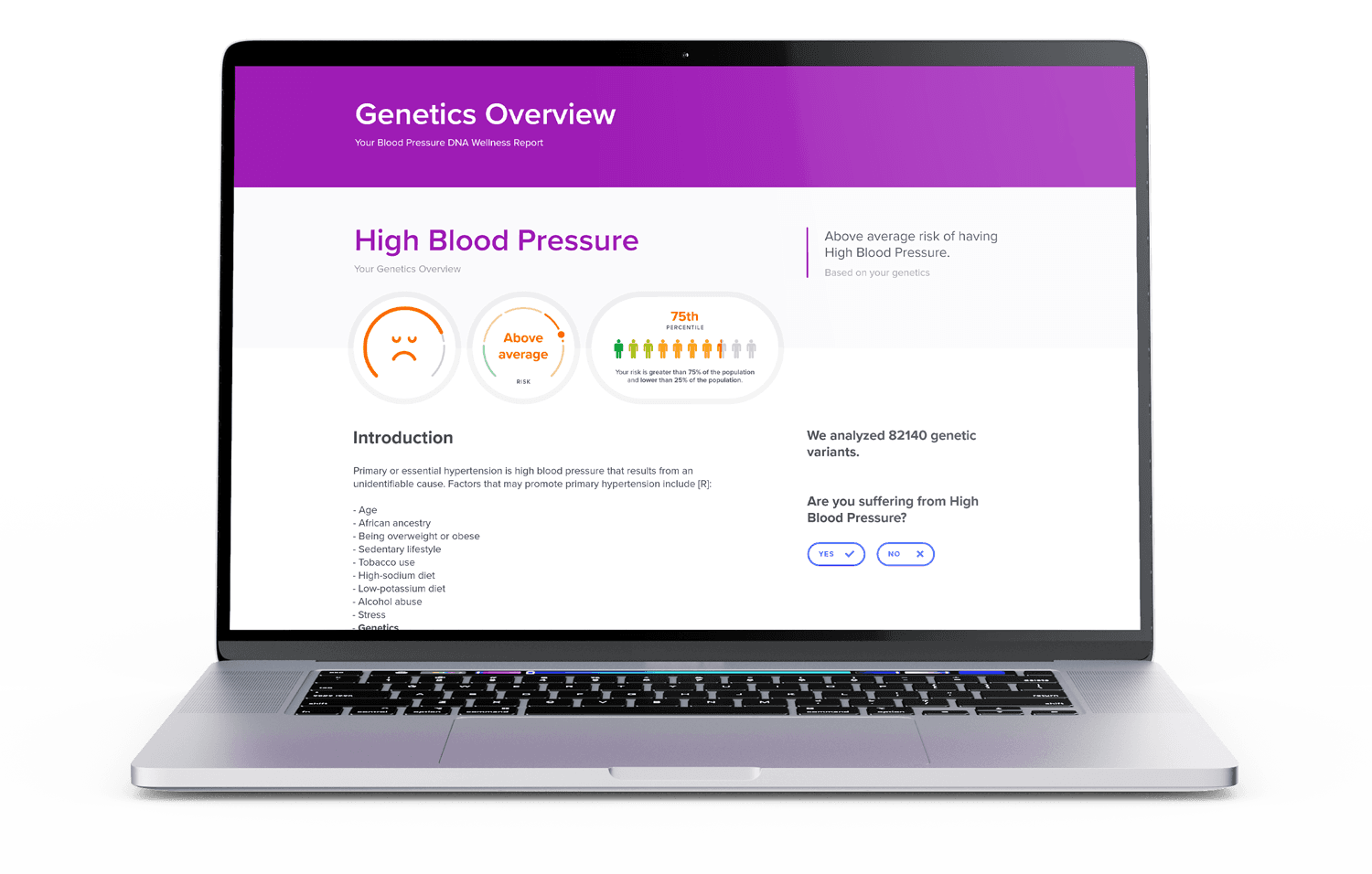
Disease Management Software is designed to help healthcare providers monitor and manage patients with chronic diseases. It focuses on improving patient outcomes by tracking symptoms, medications, and treatments over time.
What are the top 10 Vertical Industry Software products for Disease Management Software?
Newest Disease Management Software Products
Disease Management Software Core Features
- Patient monitoring and symptom tracking
- Automated alerts and reminders
- Customized care plans
- Data analytics for patient populations
- Integration with EHR and wearable devices
Advantages of Disease Management Software?
- Enhances patient engagement and self-care
- Enables early intervention for complications
- Improves adherence to treatment plans
- Supports outcome tracking and reporting
- Reduces hospital readmissions
Who is suitable to use Disease Management Software?
Doctors, care coordinators, and healthcare organizations managing chronic conditions like diabetes, asthma, or heart disease.
How does Disease Management Software work?
The software collects patient data from various inputs like self-reports, clinical visits, or connected devices. It analyses this data to identify risks or treatment gaps, then notifies providers and patients with reminders or warnings. Providers can adjust care plans based on insights to improve disease control.
FAQ about Disease Management Software?
What types of diseases does this software manage?
Mostly chronic illnesses like diabetes, hypertension, asthma, COPD, and heart disease.
Can patients use the software themselves?
Many platforms have patient portals or apps for self-monitoring and education.
Does it work with wearable health devices?
Yes, integration with fitness trackers and medical devices is common for real-time data.
How does it improve patient outcomes?
By providing timely alerts and personalized care plans to manage conditions more effectively.
Is this software suitable for small clinics?
Definitely, though features and complexity might vary based on the provider size.